Mike Kelley and Marlie Mul with Laurenz
Mike Kelley and Marlie Mul
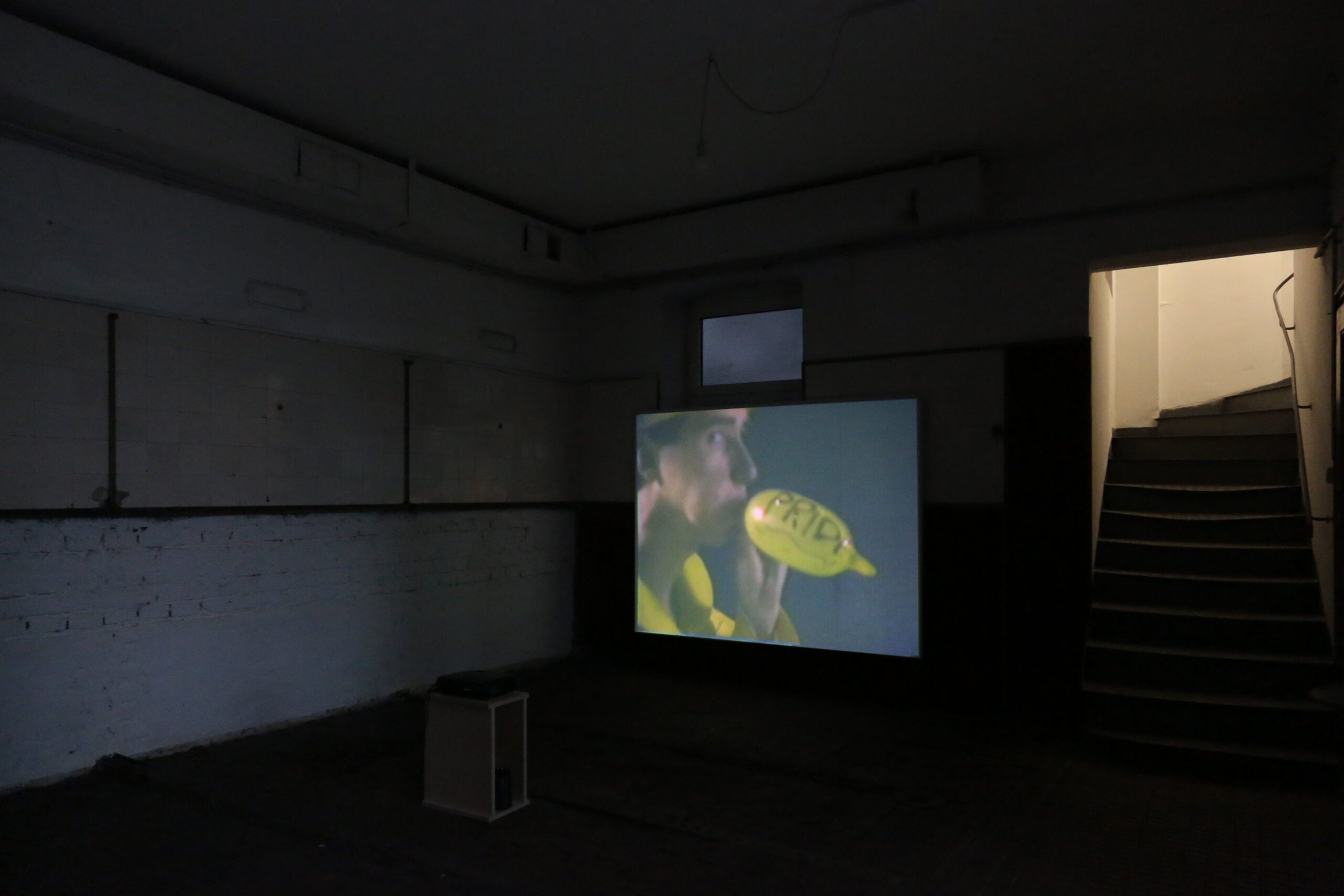
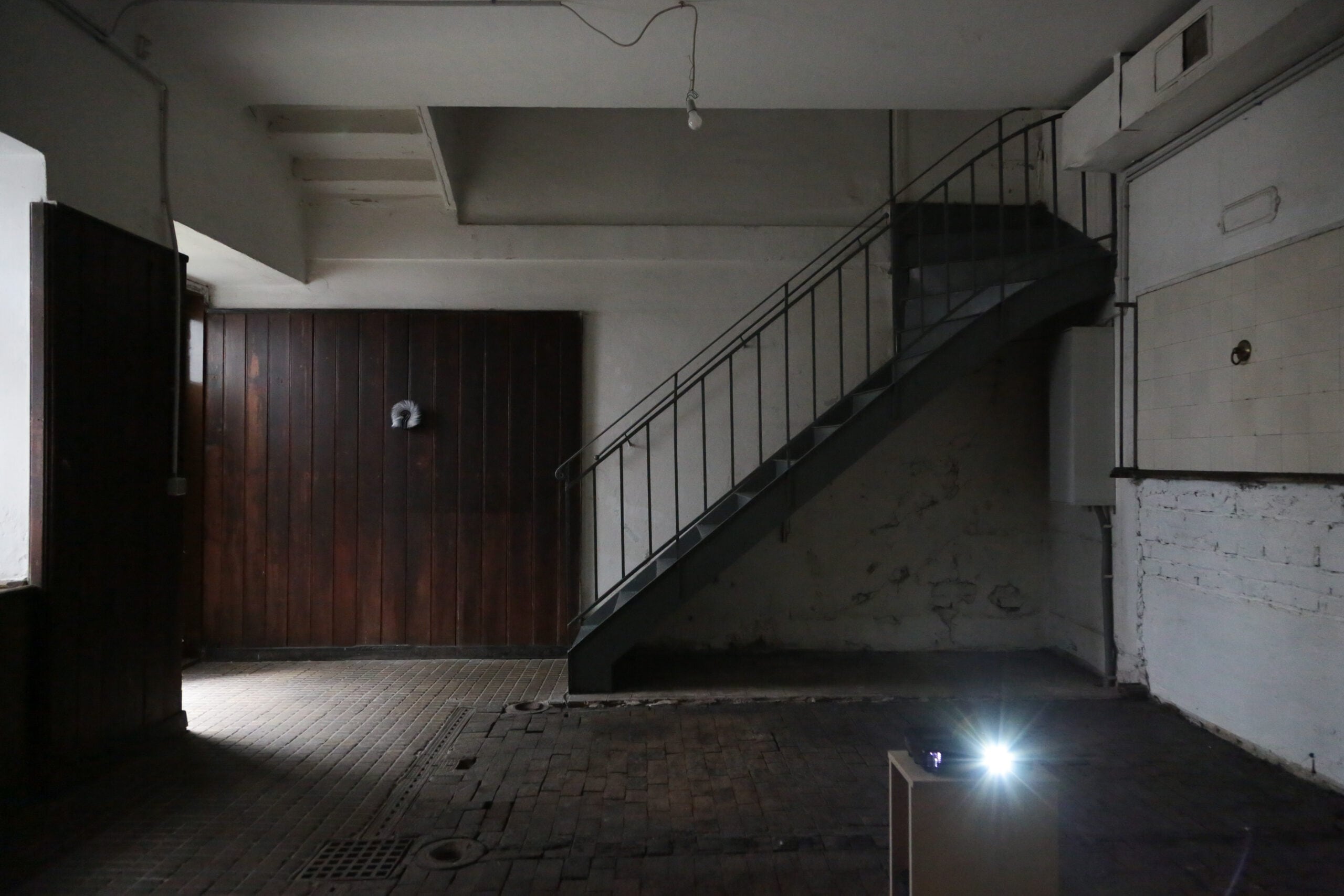
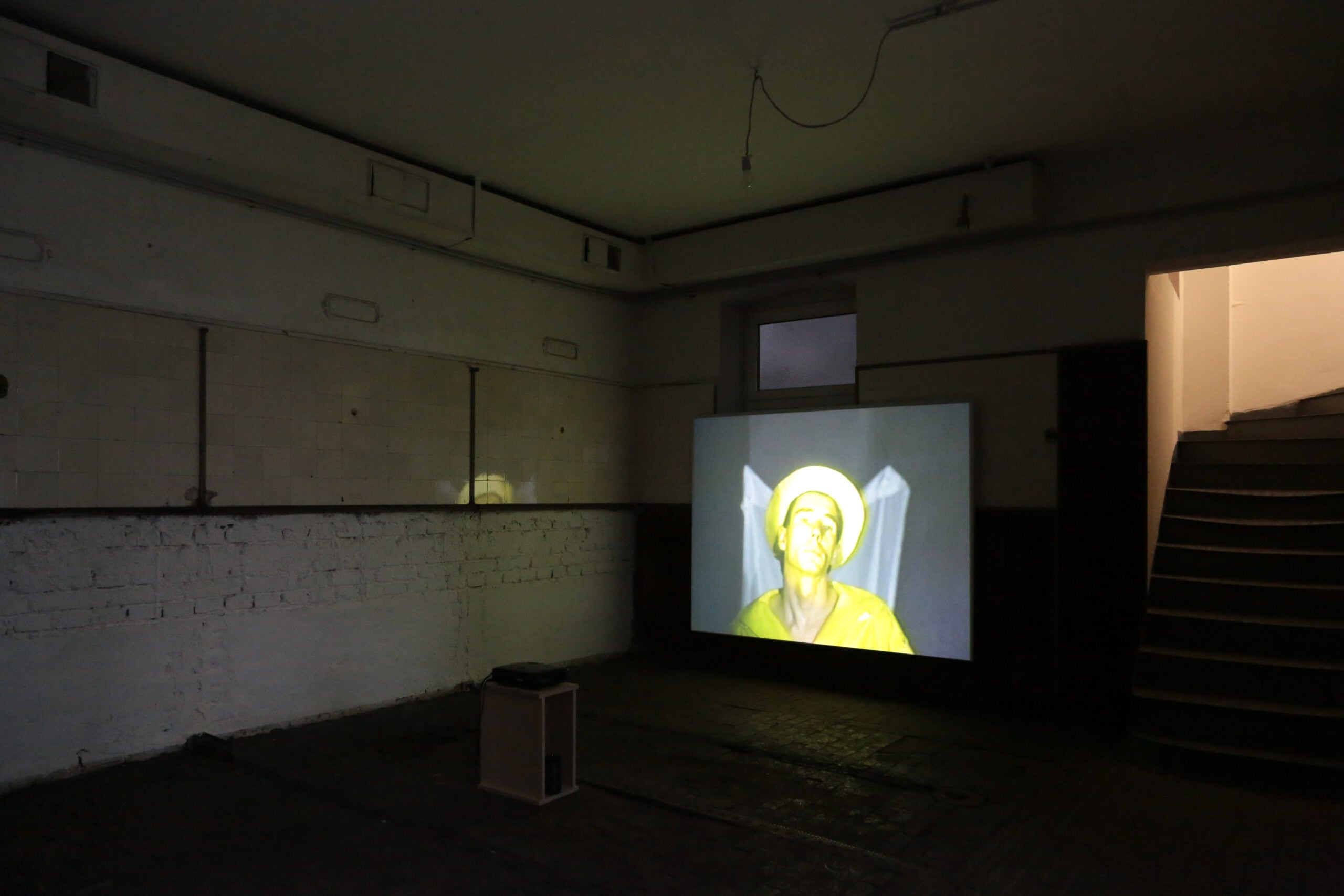
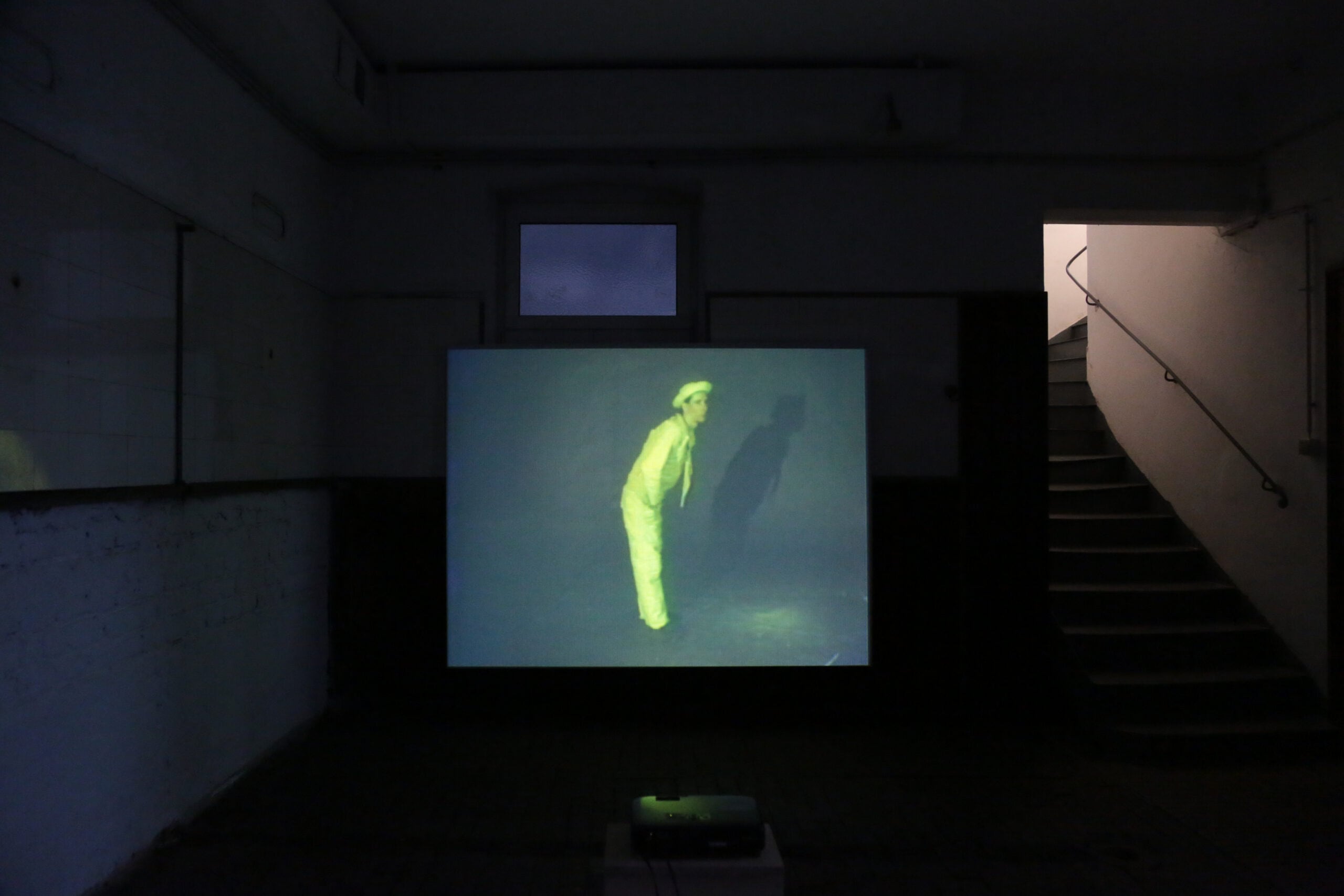
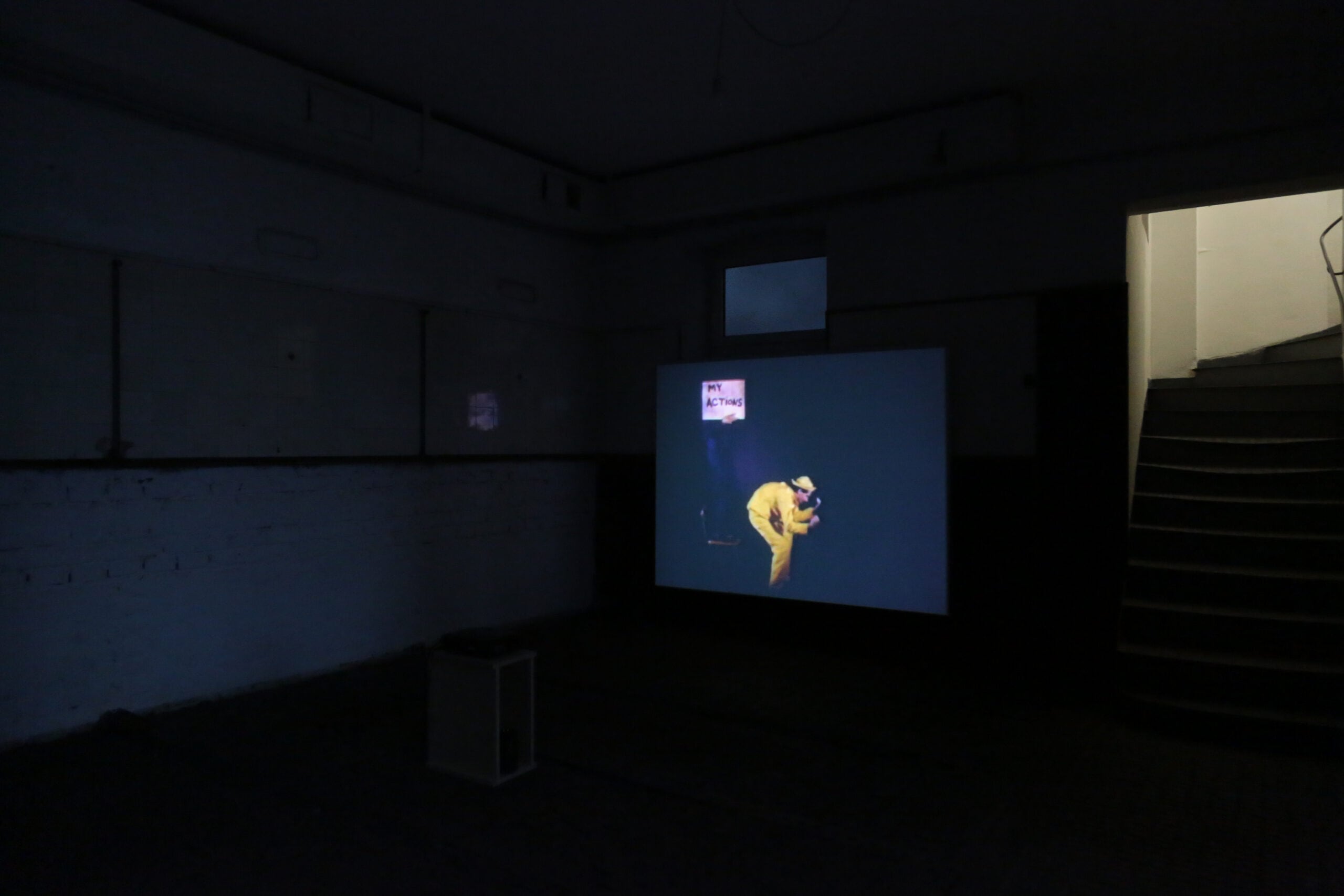
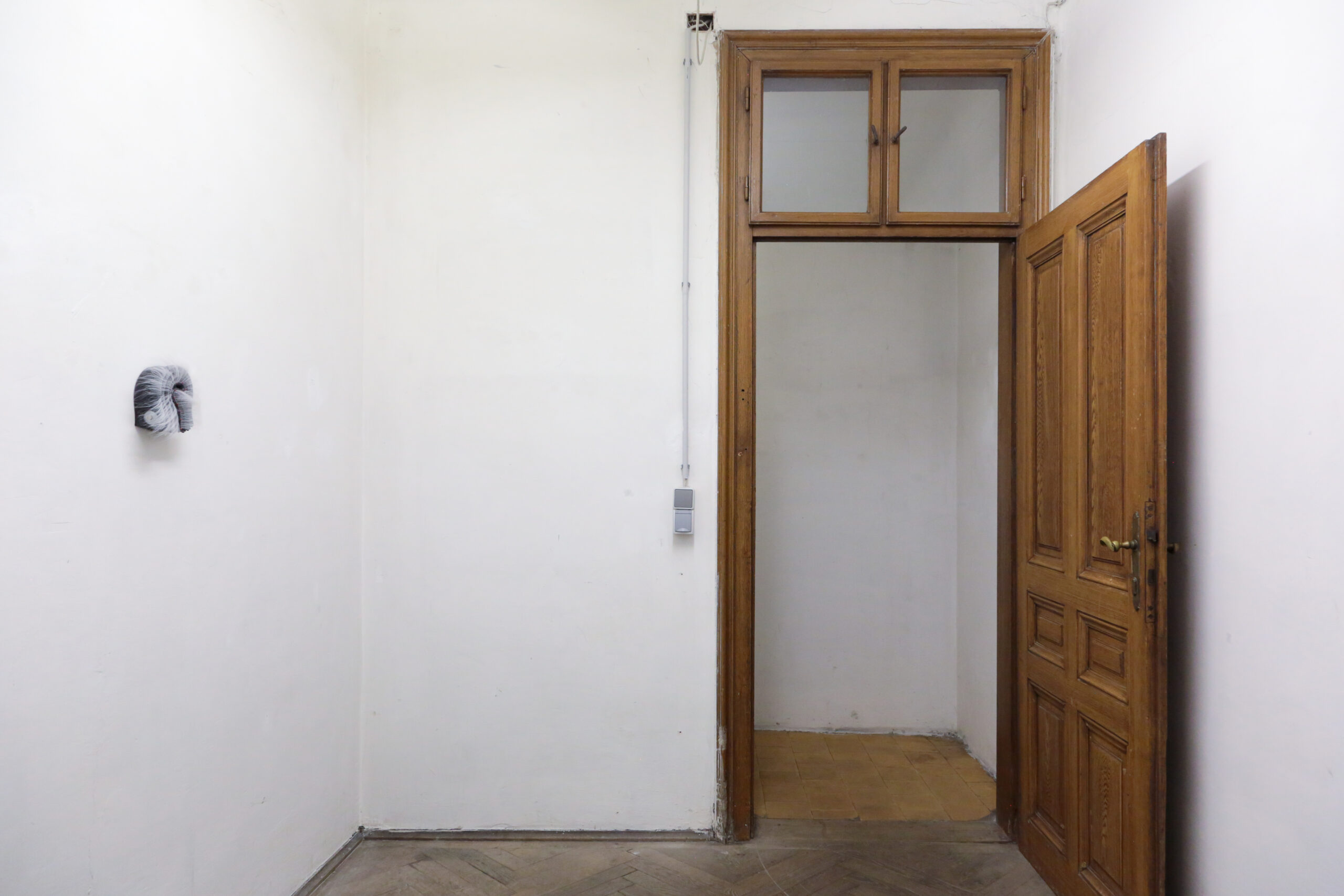
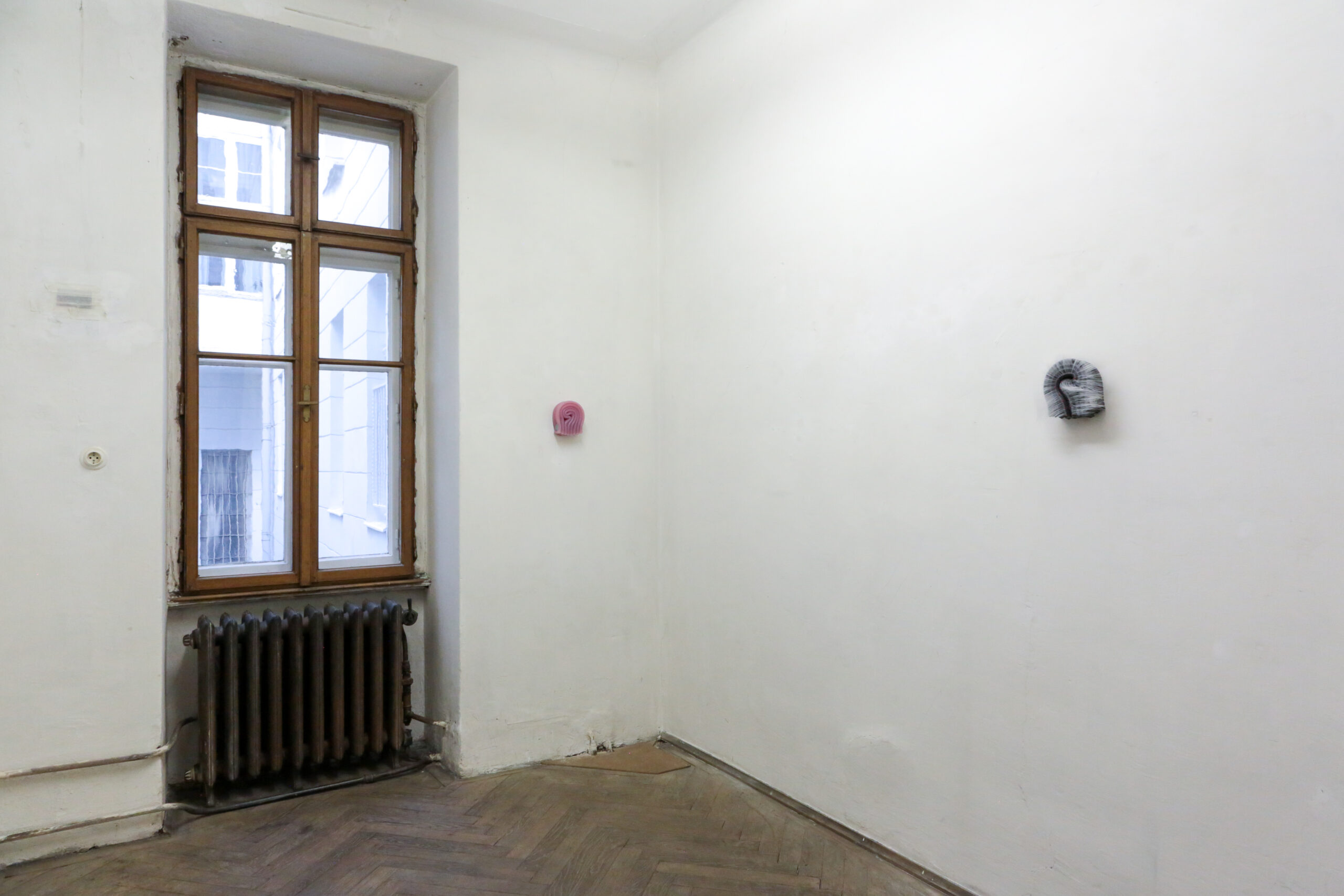
With our shared interest in getting to know the artworks in the exhibition, Laurenz (Vienna) and Shimmer (Rotterdam) begin our collaboration by curating Mike Kelley’s The Banana Man (1983) together with Marlie Mul’s Unnamed Charm (2024). The materiality of the artists’ respective works – silicone, plastic, synthetic hair, candles, potatoes, and a yellow sailor’s suit with many pockets – forms a counterpoint to the historic architecture of Laurenz and its natural patina. Both artists are known for creating personas in their work – think Extracurricular Activity Projective Reconstruction (2000-11) by Kelley, and You Look Great For Your Age (2021) by Mul, their works are visceral, humorous, and precise.
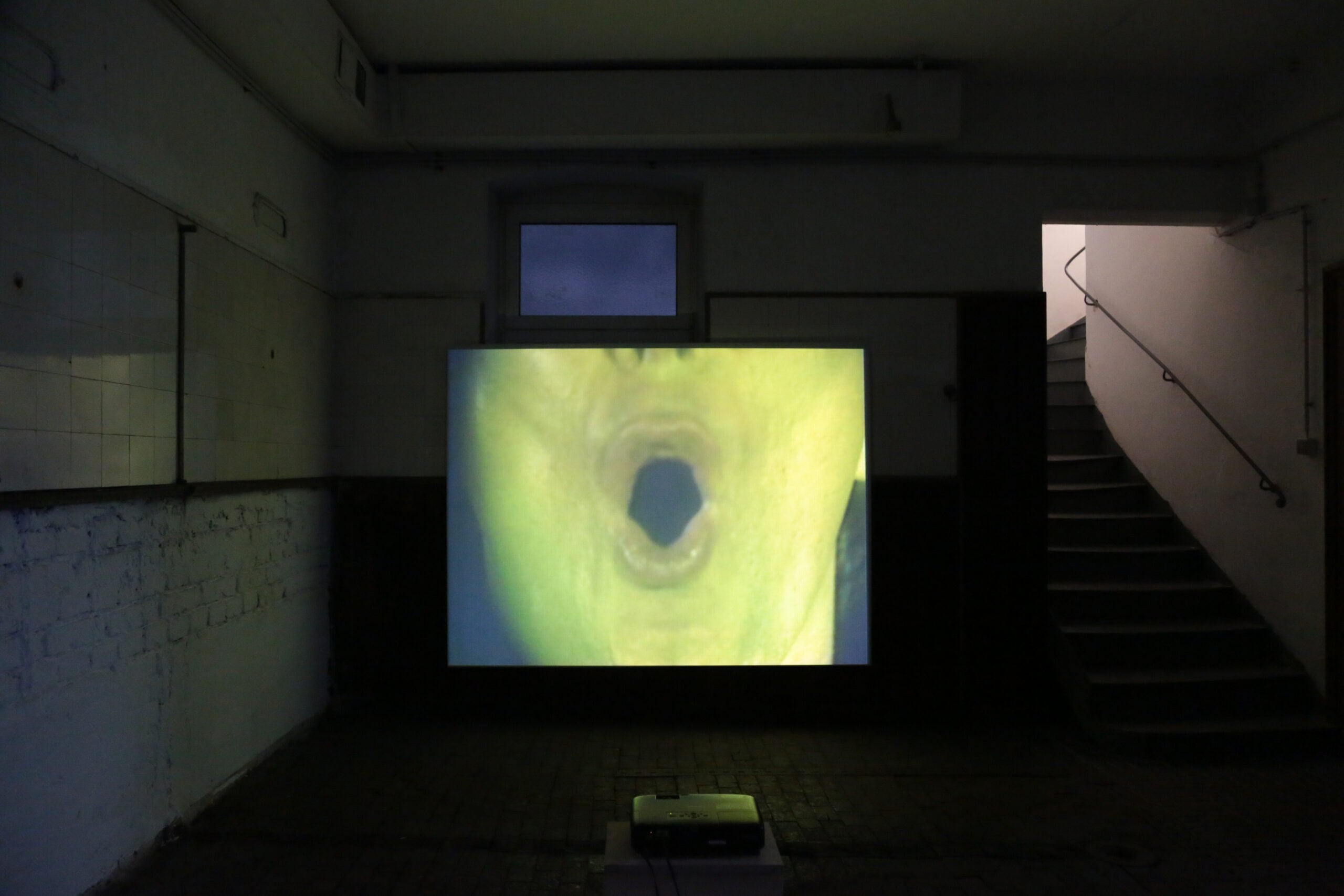
Shot in 1982 with the assistance of a performance/installation class he was instructing at the Minneapolis College of Art and Design, The Banana Man (1983) was Kelley’s first completed solo video work. Drawing upon his memories of childhood friends regaling him with their synopses of the antics of The Banana Man, a vaudeville act that appeared on Captain Kangaroo, Kelley uses his scant recollections—the Banana Man’s habit of pulling out bananas from his pocket, and his accompanying high-pitched squeal—to build out an intricate psychology of the character. The Banana Man, Mike Kelley, 1983, 28:15 min, color, sound; Courtesy of Electronic Arts Intermix (EAI), New York and the Mike Kelley Foundation for the Arts, Los Angeles
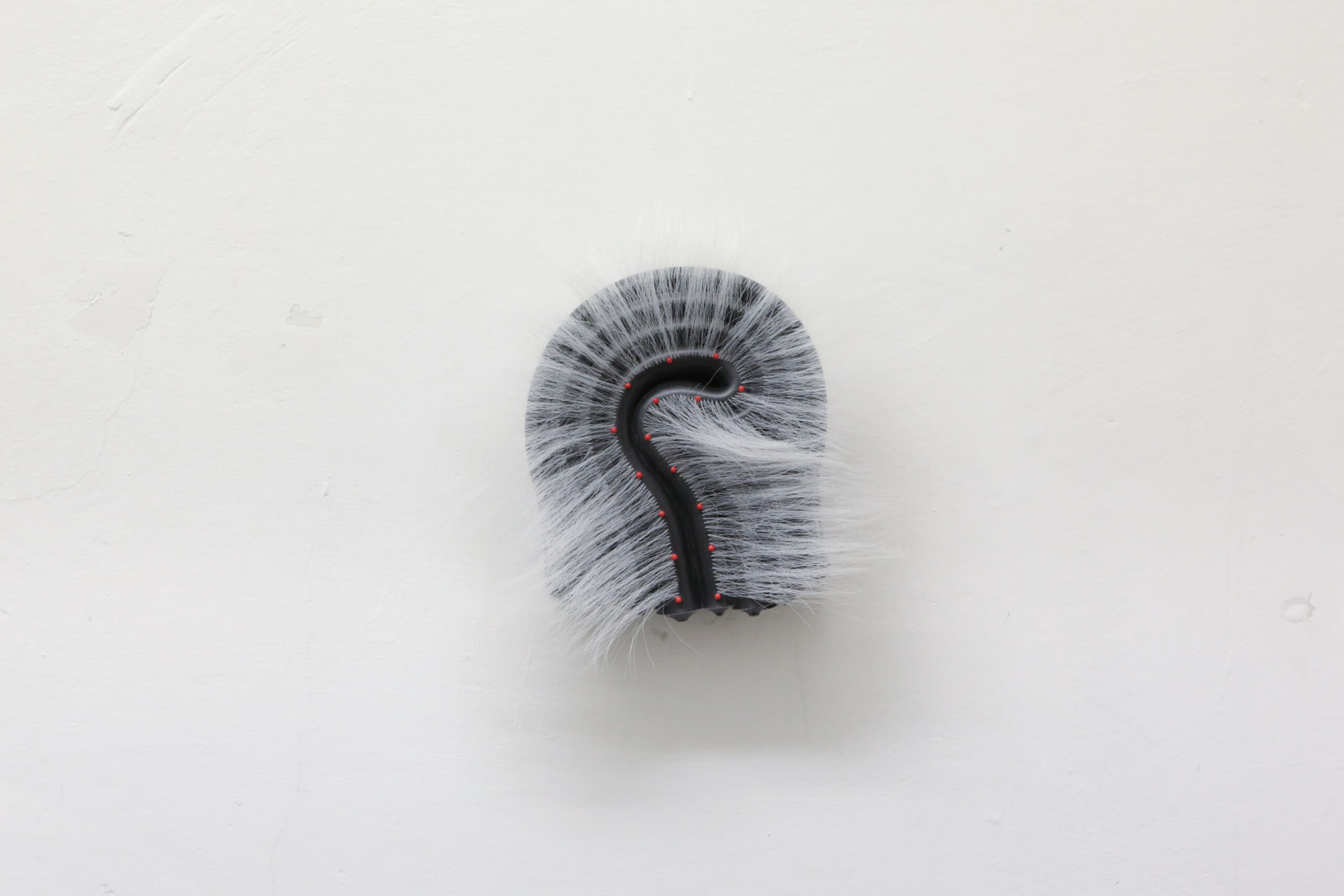
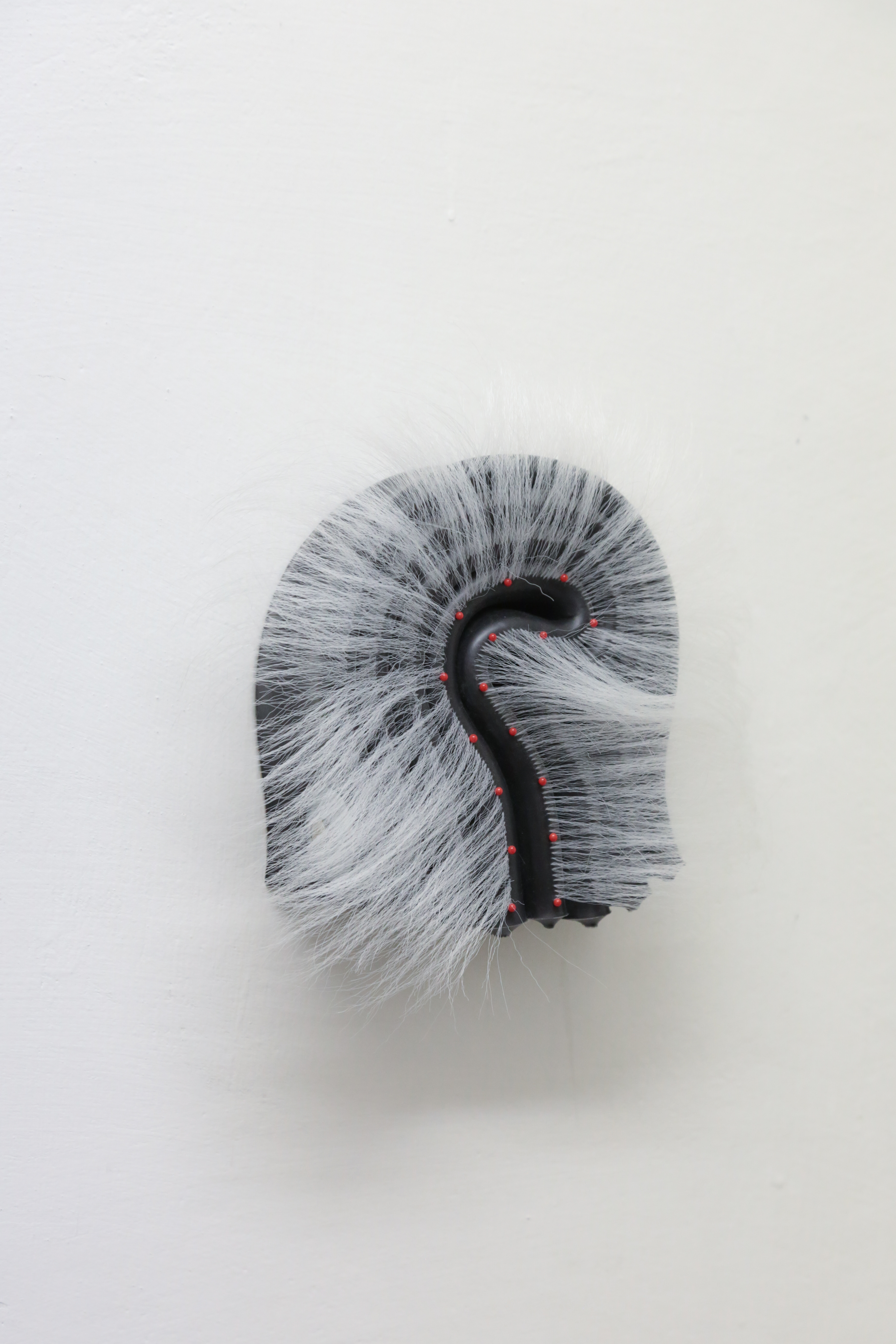
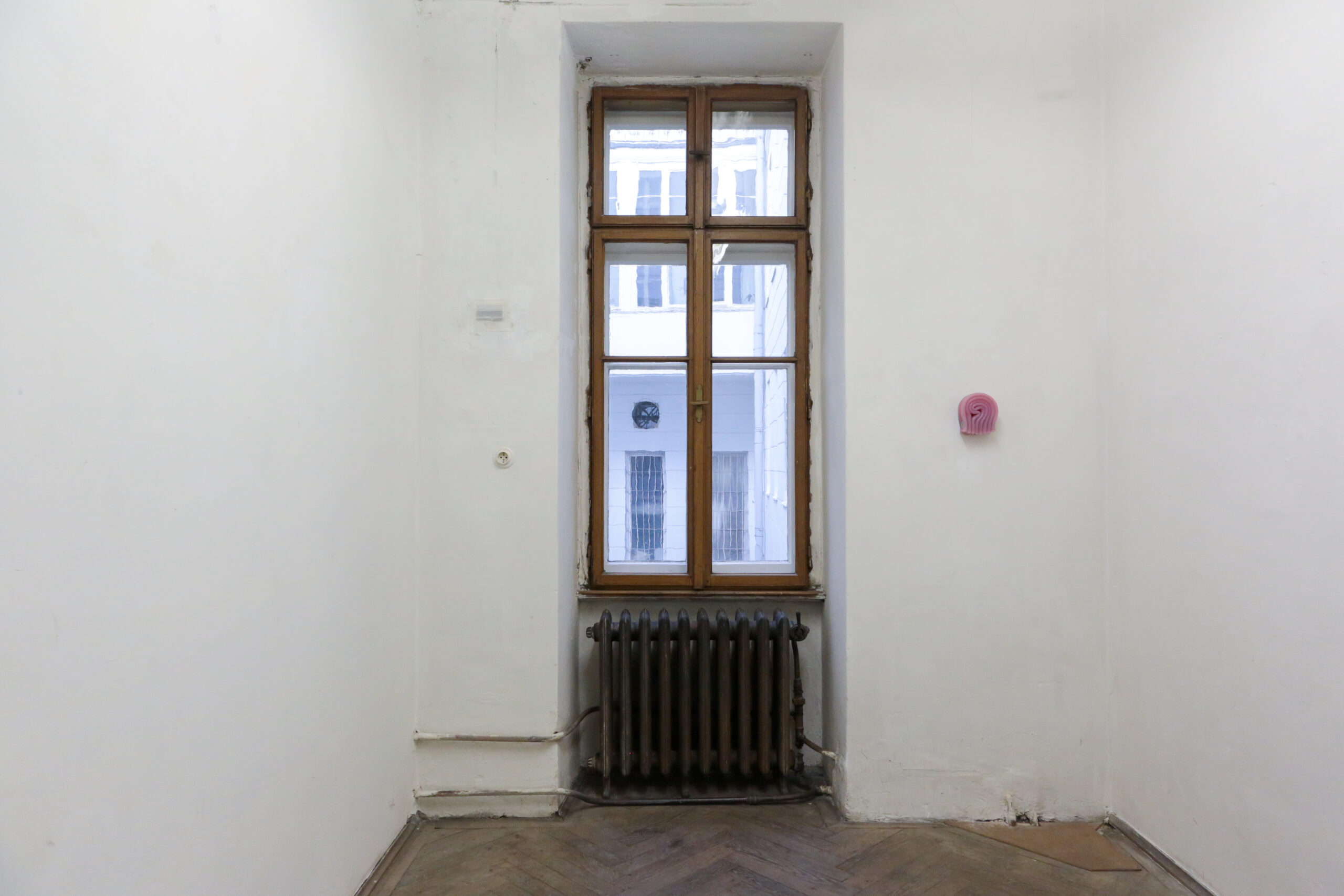
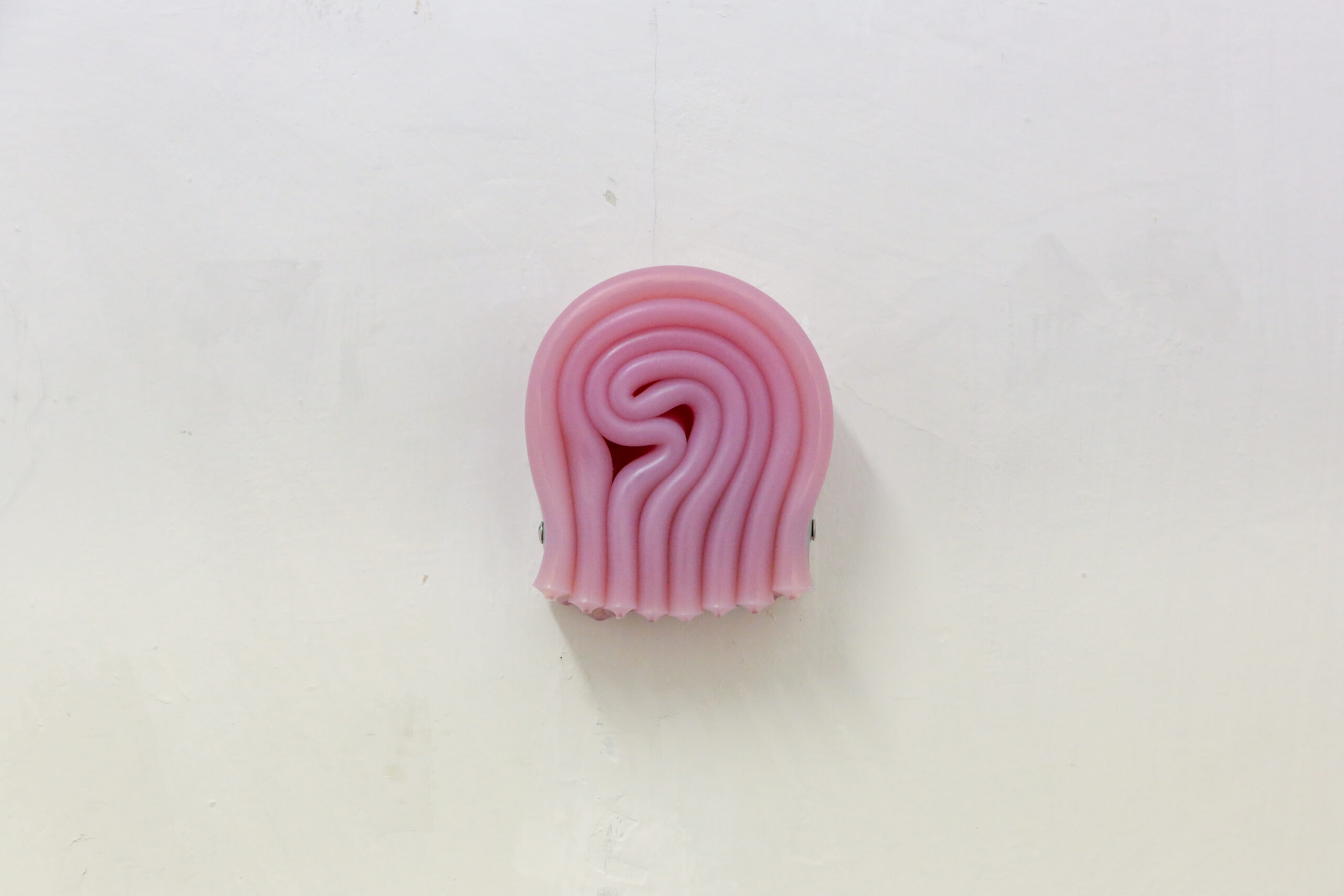
In the Unnamed Charm series, folded and curled colored silicone sheets, black, silver, yellow and reds—are held together with steel hardware, creating small bijou-like, tense objects that might fit in one’s hand. Installed throughout the room, each one has its own persona. Some are sprouting synthetic hair, adding a soft-edged aura to the hard edges of the boldly colored silicone. Others have small plastic bones protruding from their crevices, or red-tipped pins stuck into the material. The lines of the parallel folds form vague question marks.
Through the course of the exhibition, Laurenz and Shimmer will write a collective text on the works and what the artworks tell us about the other.
Thanks to our friends at Laurenz, and to the generous support of the Austrian Federal Ministry for Housing, Arts, Culture, Media and Sport (BMWKMS). We also sincerely thank Electronic Arts Intermix (EAI), New York; the Mike Kelley Foundation for the Arts, Los Angeles; and Cory Nielsen, Vienna.