Cally Spooner, Fernanda Gomes, Thomas Fougeirol, Pam Virada
Ageless, Ageless
Ageless, Ageless a new program curated by Eloise Sweetman and Jason Hendrik Hansma opens on Friday 30 January 2026, 18:00-20:00 with two connected exhibitions with work by Cally Spooner, Fernanda Gomes, Thomas Fougeirol, Pam Virada
Supported by Gemeente Rotterdam, and Amarte.
______
Through his study of images, the historian Aby Warburg (1866–1929) coined the term Pathosformel, which he defined as ‘charged visual figures’: specific gestures, postures, or expressions that recur across time. Warburg noticed that these visual figures return to us as concentrated signals of suffering, fear, or ecstasy: motifs that operate as sites where cultural memory stores and releases its accumulated force..
Shimmer’s new program, Ageless, Ageless, is centred on these signals: shared cultural forms such as the lullaby’s pulse, call-and-response, the ritual of the threshold, or the cadence of mourning. Travelling across geographies, languages, politics, and belief, these hazy forms ‘flash’ up to the surface, letting us observe what repeats and what changes. By holding these patterns momentarily in view, slowly and together—with you, our audience—we intend to make a space where differences can meet without hardening.
‘Ageless, Ageless’ is a repeated lyric from Mojo Pin (1994) by Jeff Buckley (1966–1997), an artist who was inspired by devotional music, and in particular by the work of the Sufi singer Nusrat Fateh Ali Khan (1948–1997), like Khan and Buckley, this program connects with repetition, where meaning melts away to connect us back to the deep. For us, agelessness is distinct from timelessness: it folds the past into the present in order to imagine the future anew.
Ageless, Ageless proposes artworks, exhibitions, writings, and collective studies that treat memory and presence as forms of continuity: not to rhyme with or repeat the past, but to remain continually informed by it.
The exhibition is on view from 30 January until 30 June 2026.
______
Shimmer’s position toward fusion, palimpsests, and layering — of cultures and languages, extends to the sensibility to time itself. As the writer Walter Benjamin reminds us: “the past carries with it a temporal index…there is a secret agreement between past generations and the present one.” (Theses on the Philosophy of History, II, 254) History makes us who we are, yet it demands reflection to avoid returning only to the same mistakes. Like a lullaby, repetition here is considered across registers: bodily, material, and linguistic. The artworks assembled in our first two exhibitions—by Cally Spooner, Fernanda Gomes, Thomas Fougeirol, and Pam Virada—propose different temporal movements: presence and absence, rupture and repair.
Imagine this.
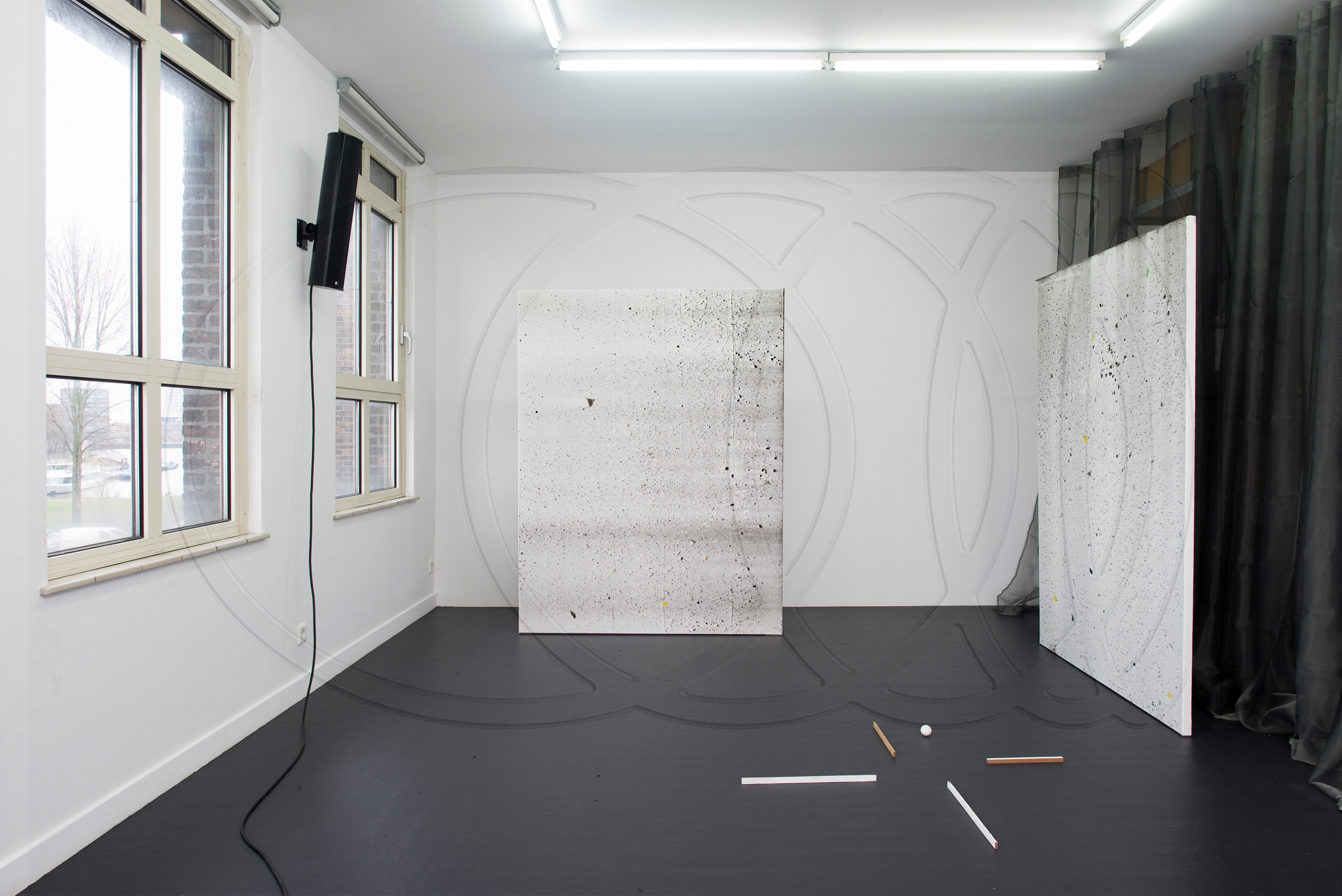
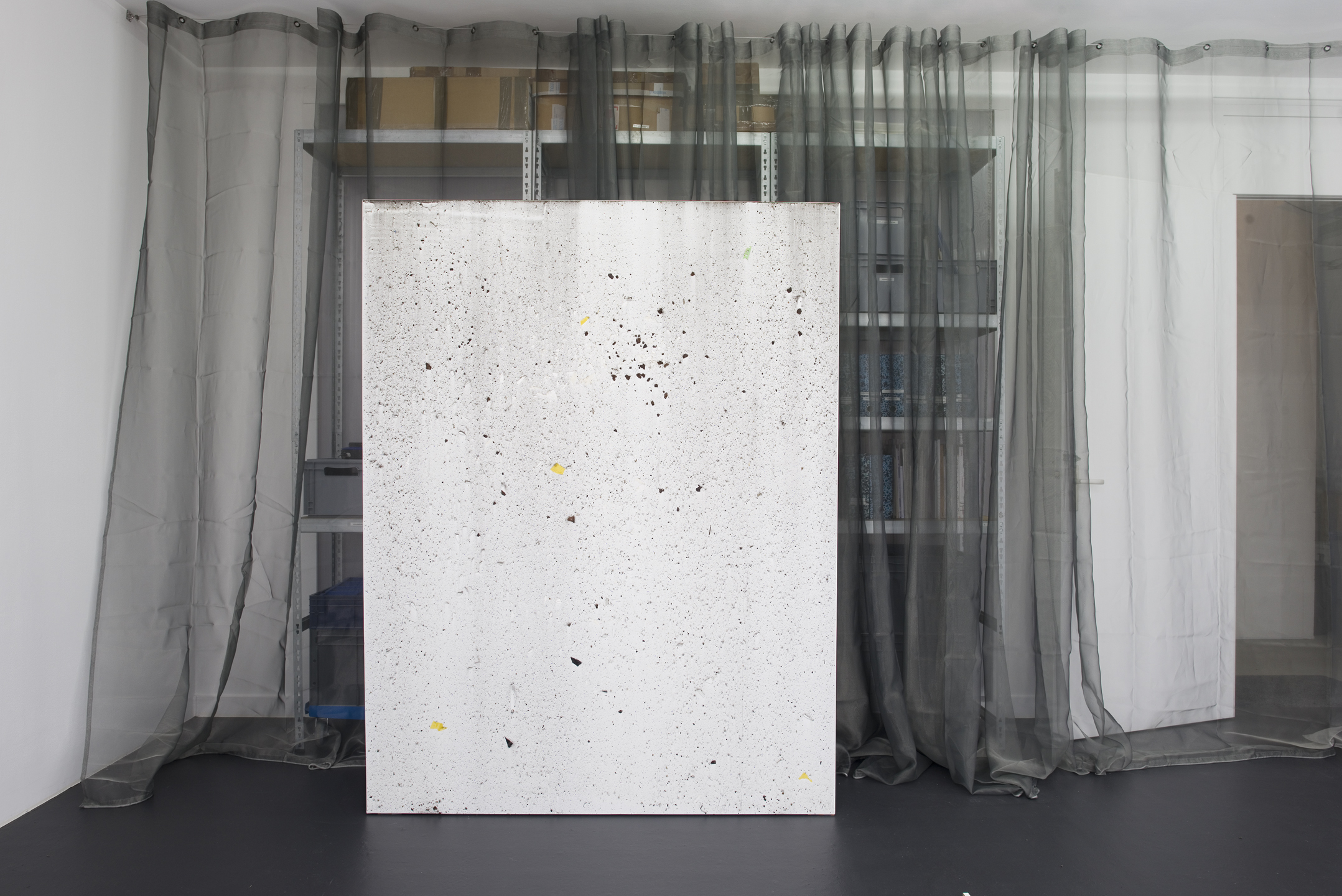
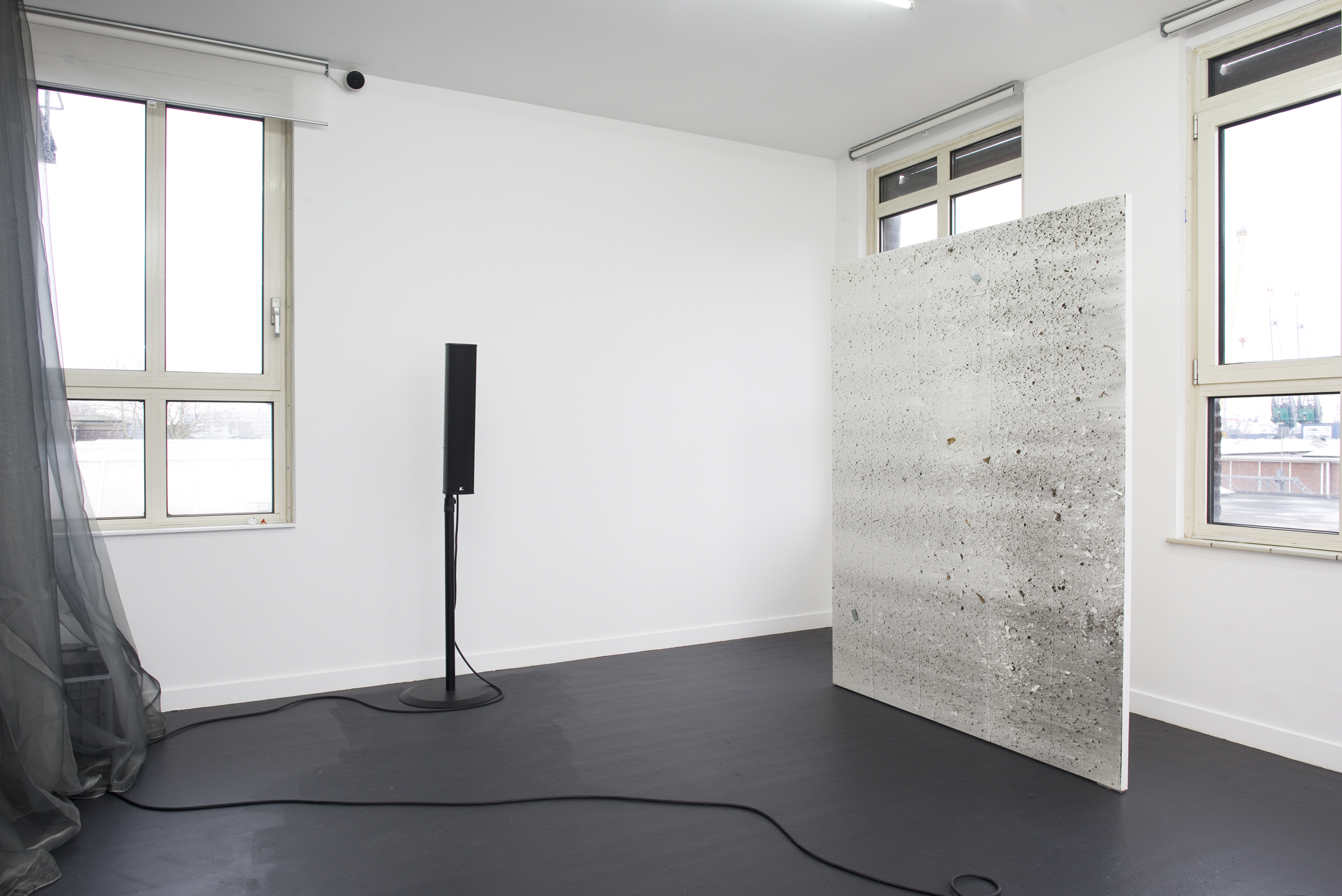
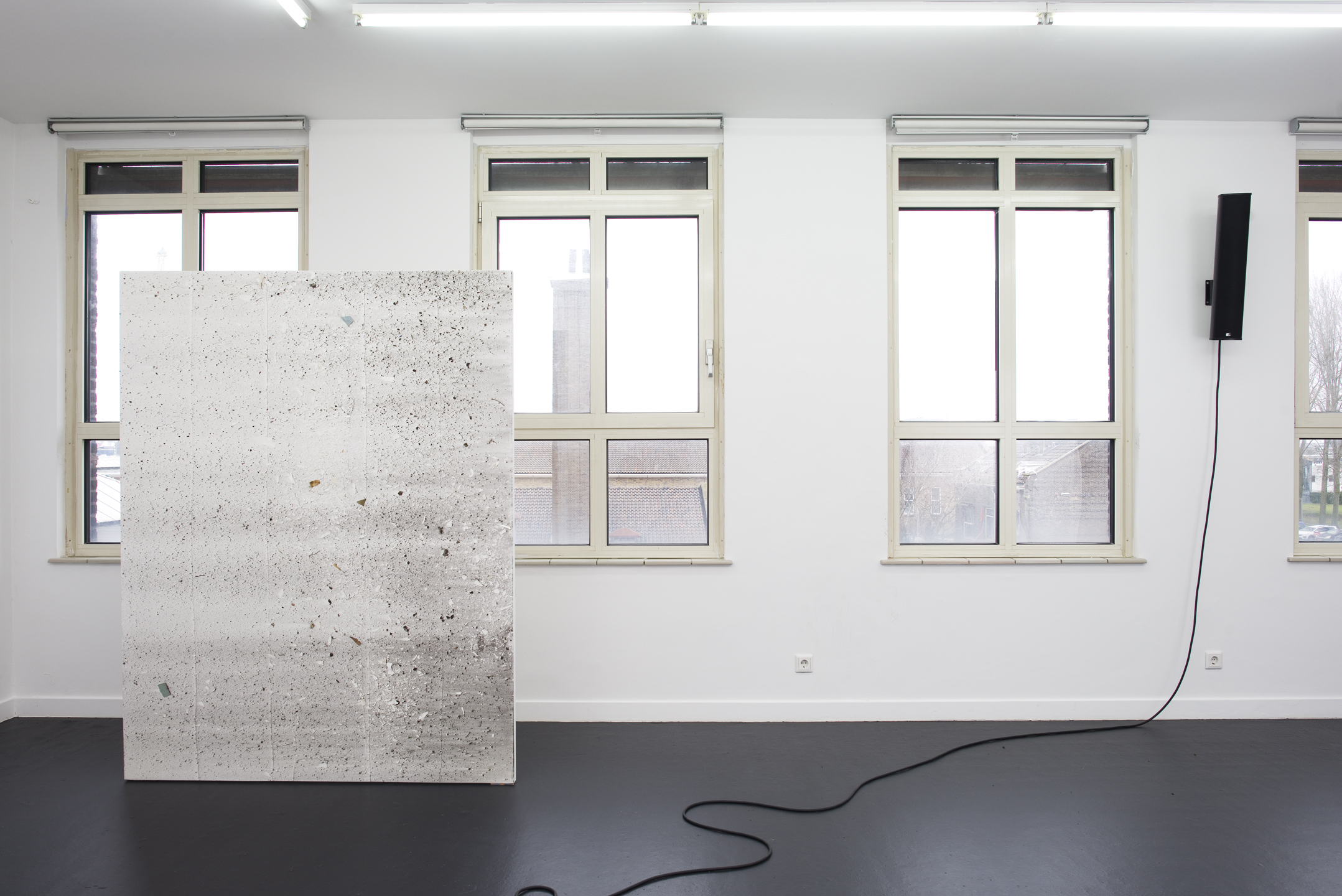
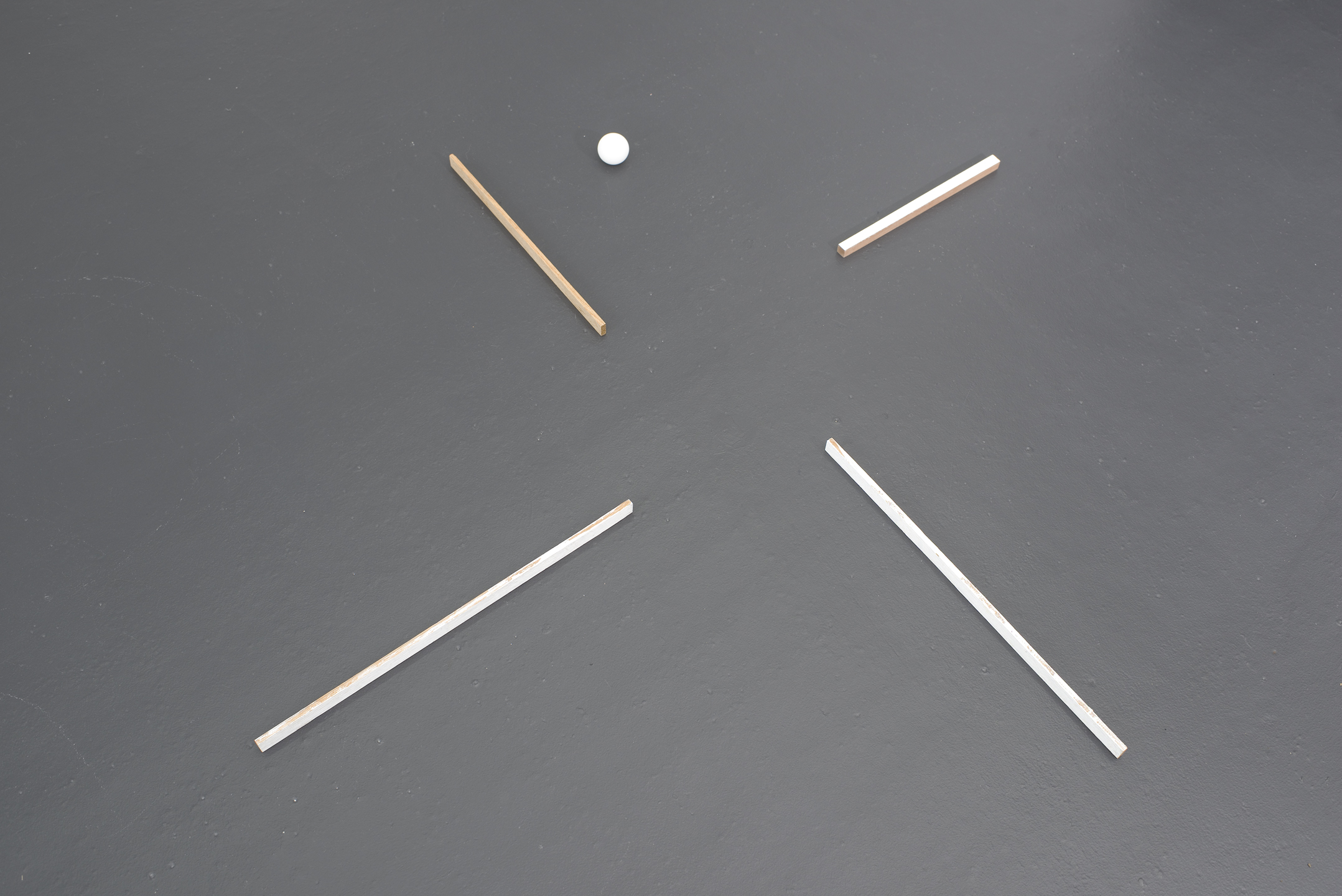
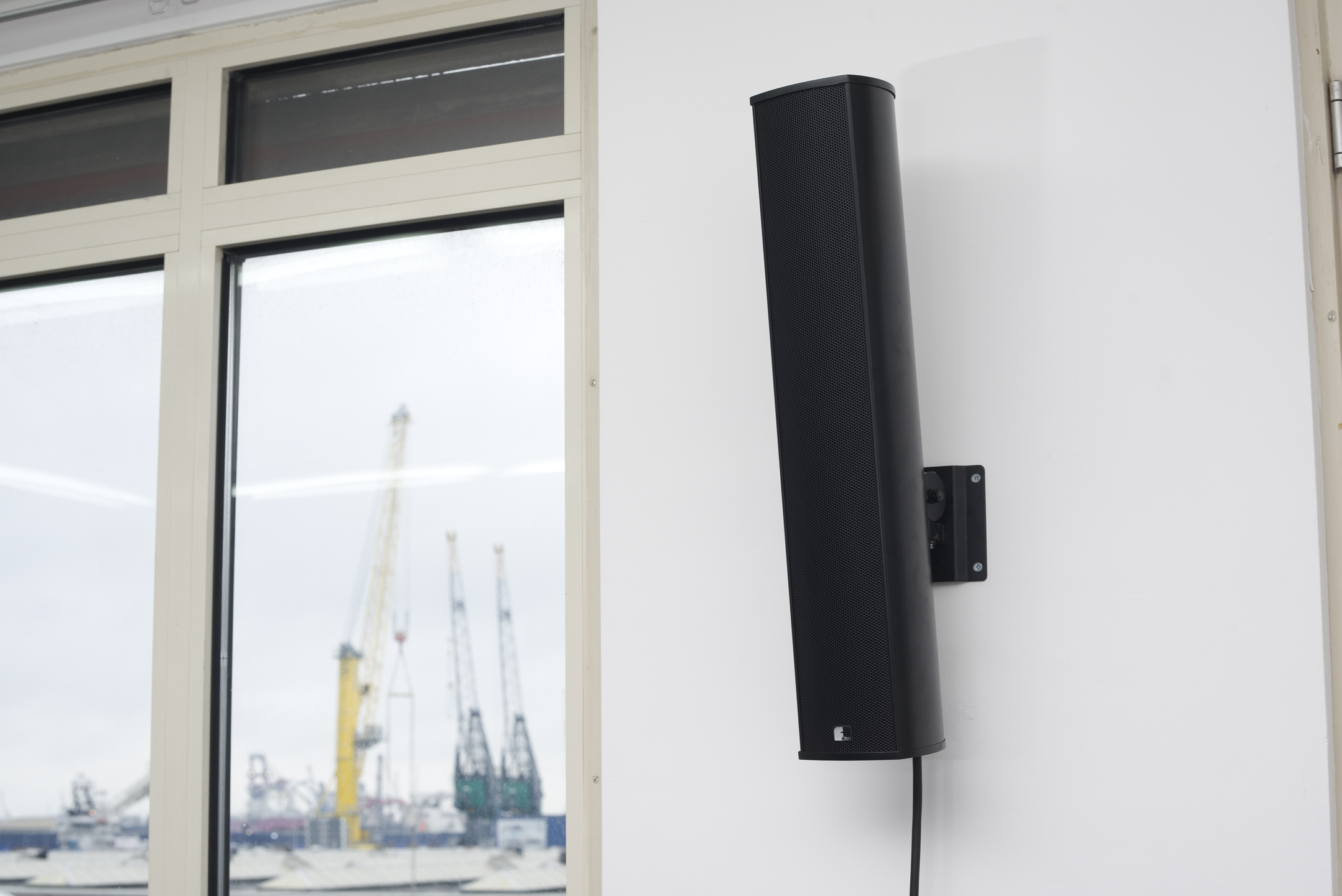
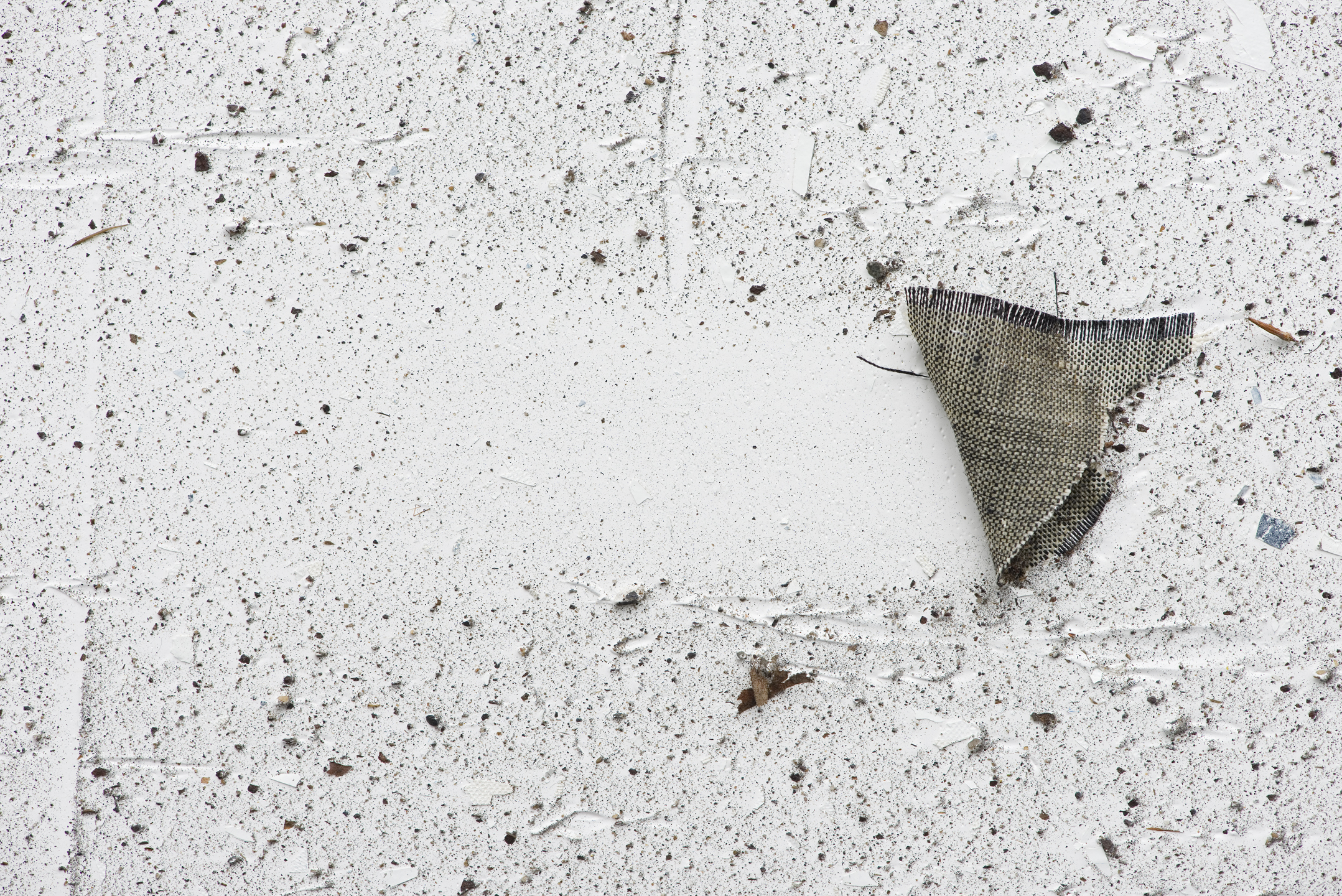
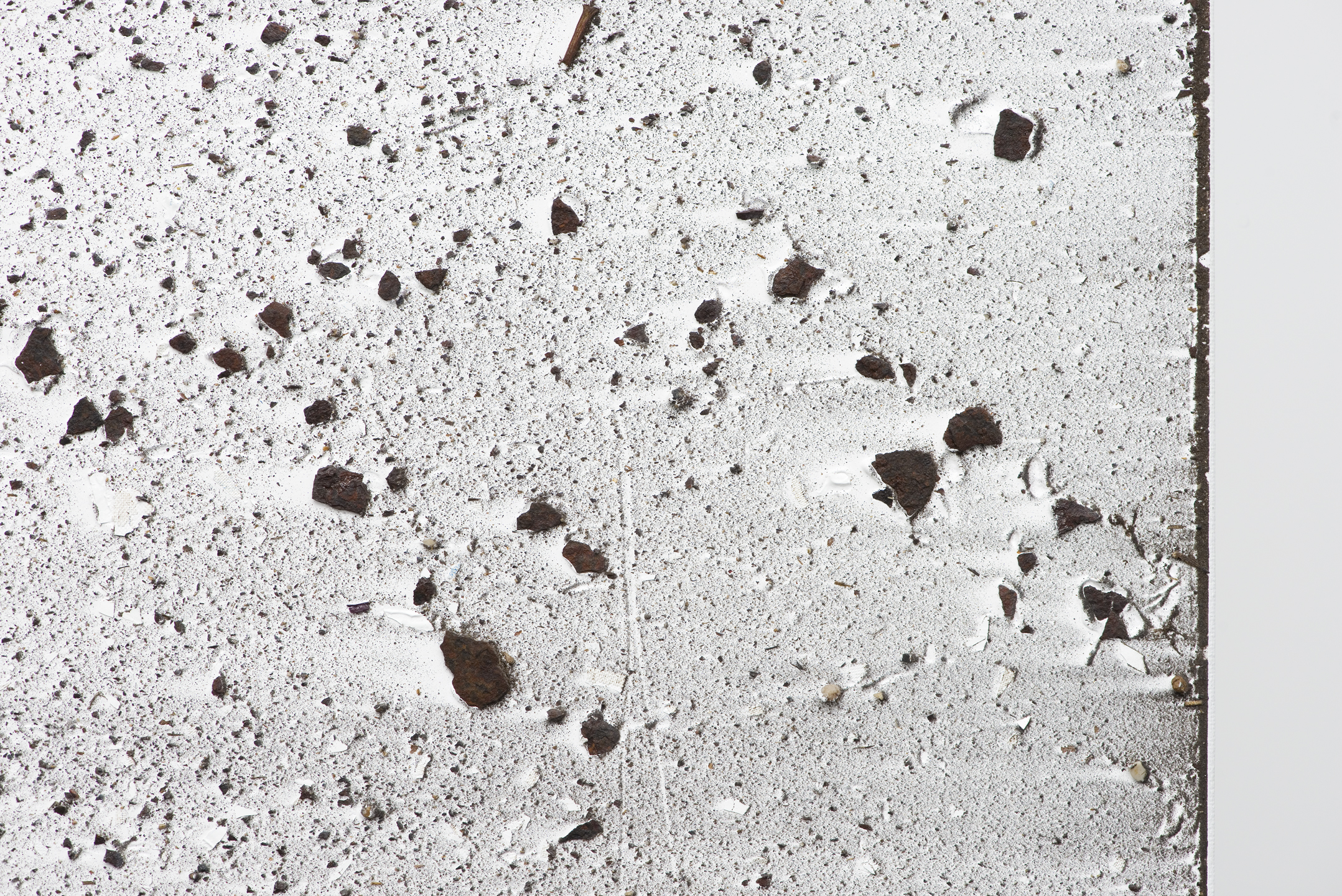
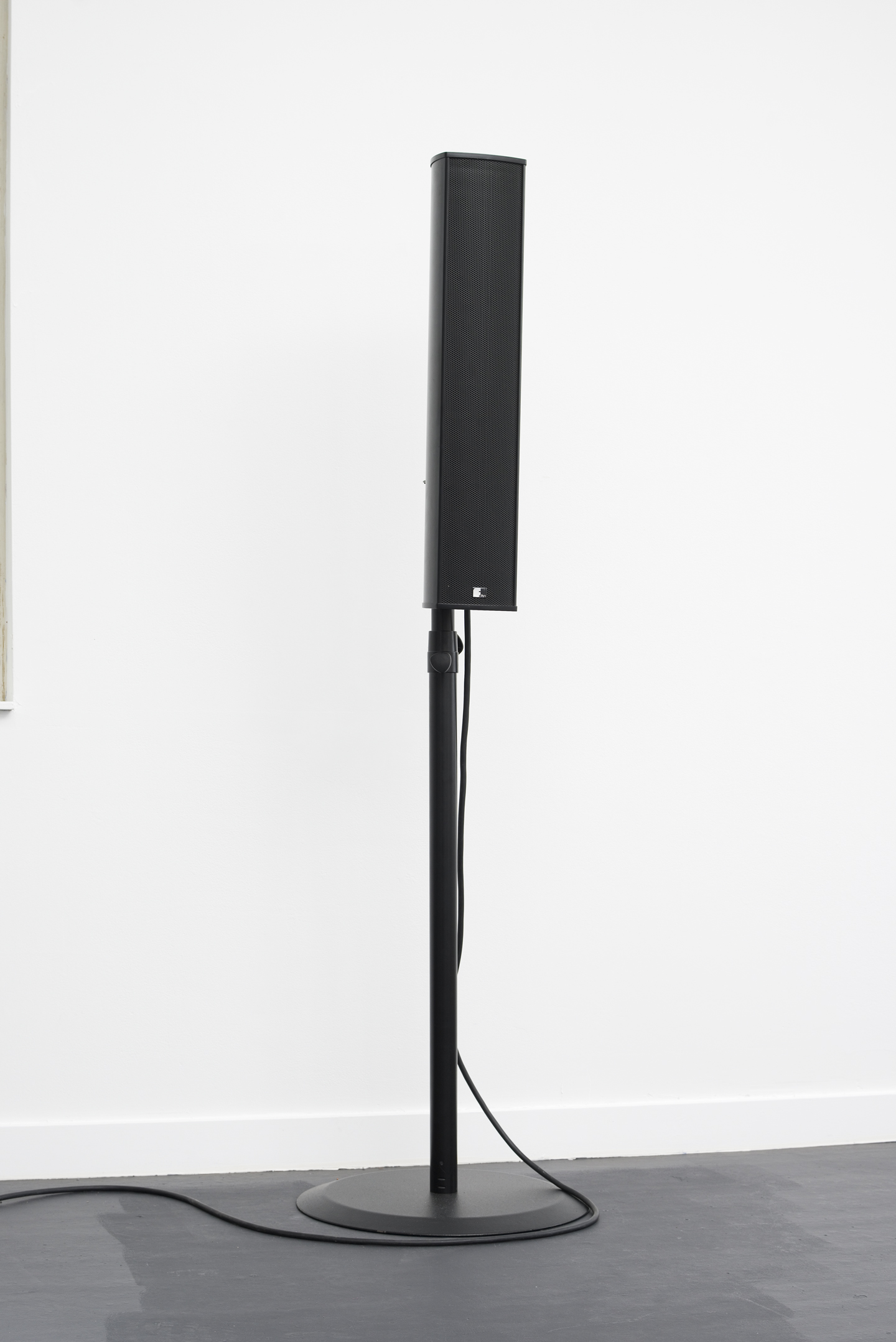
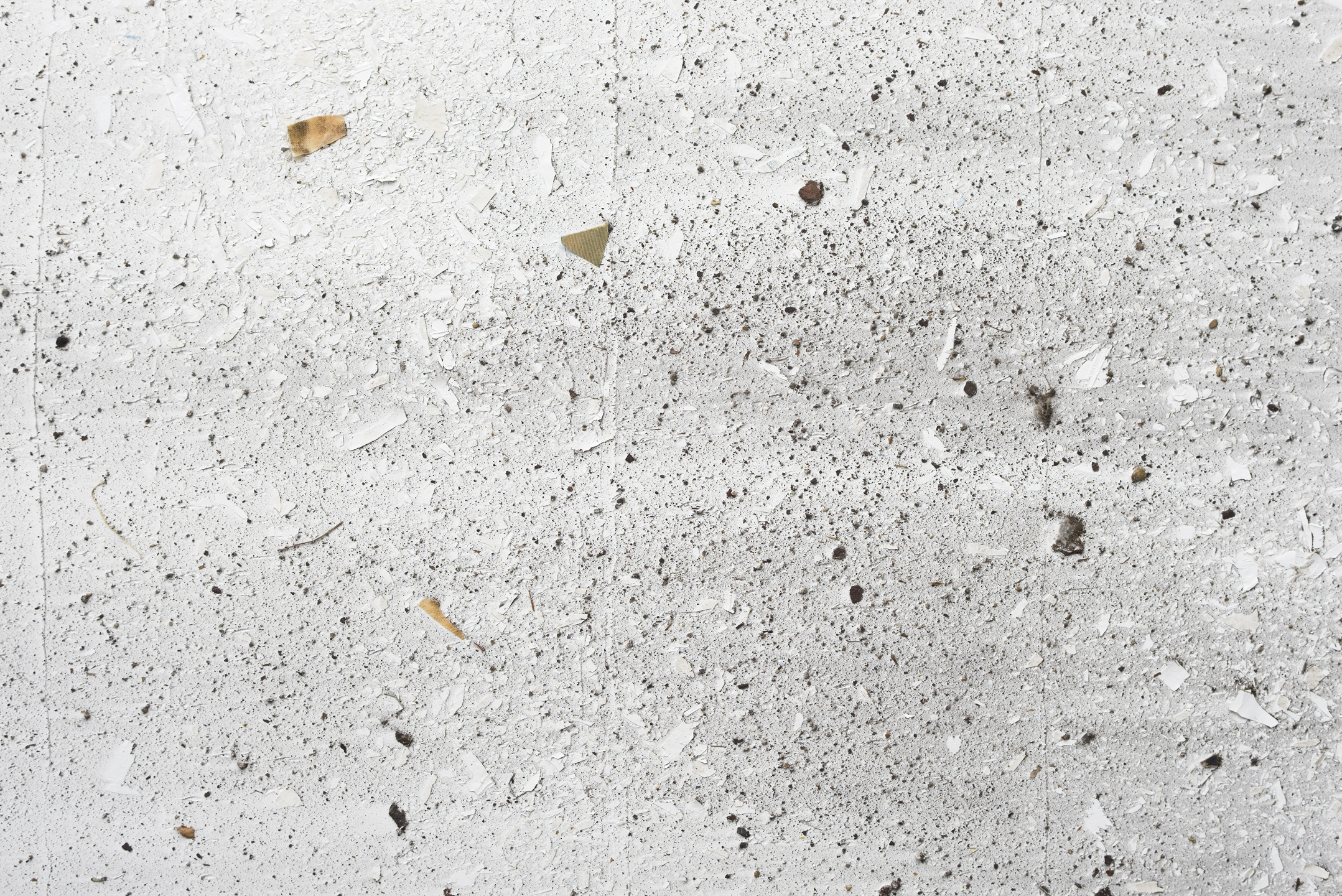
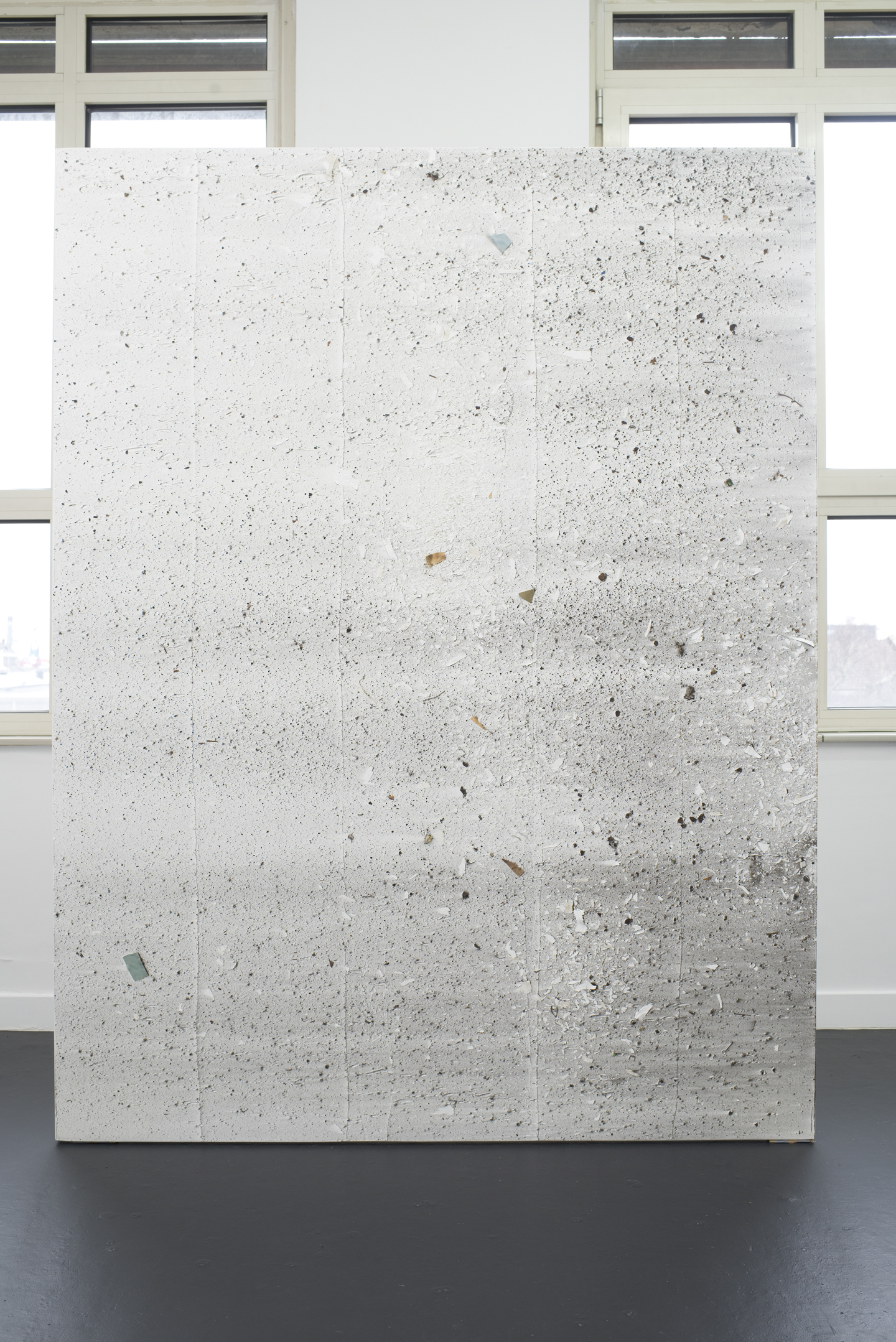
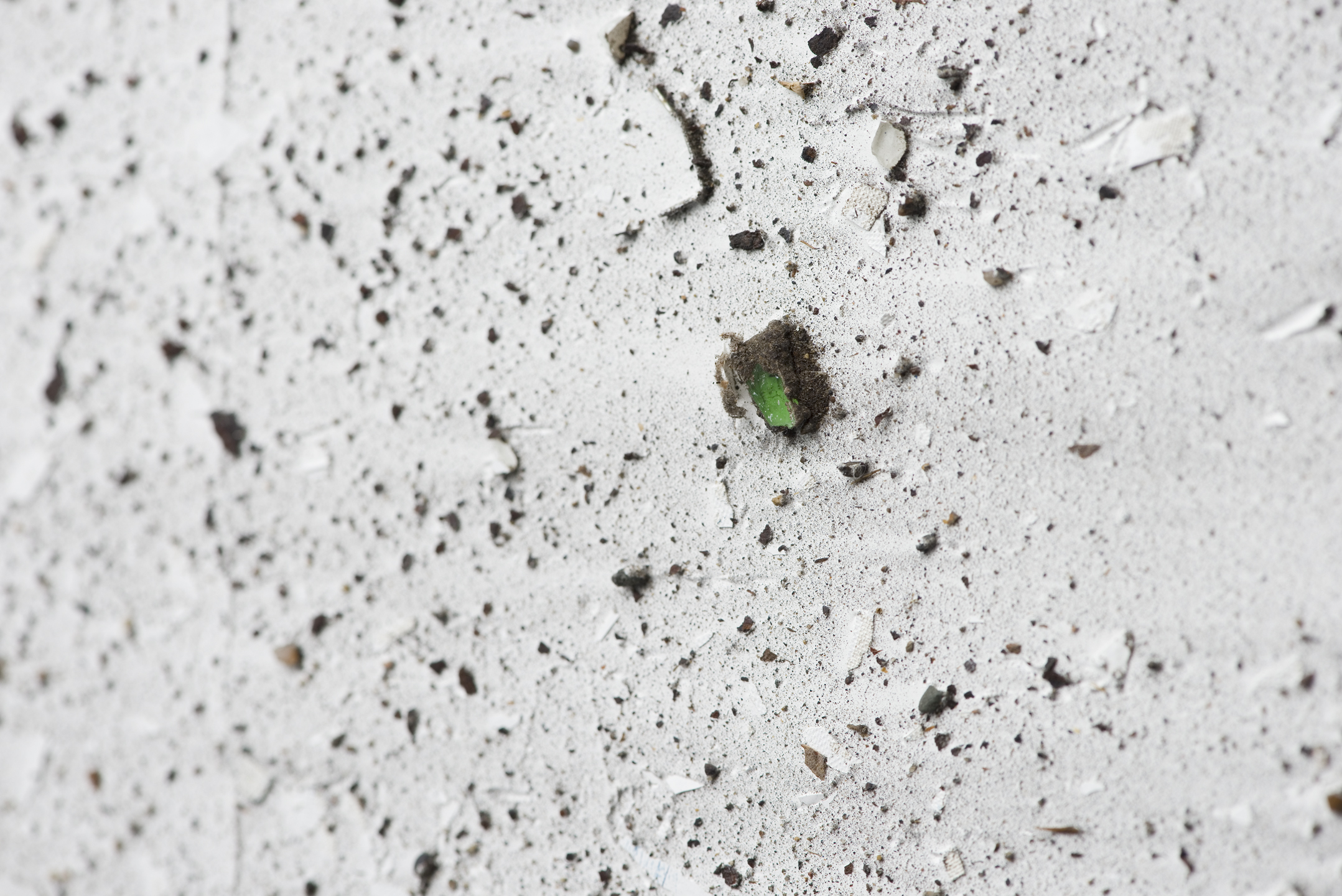
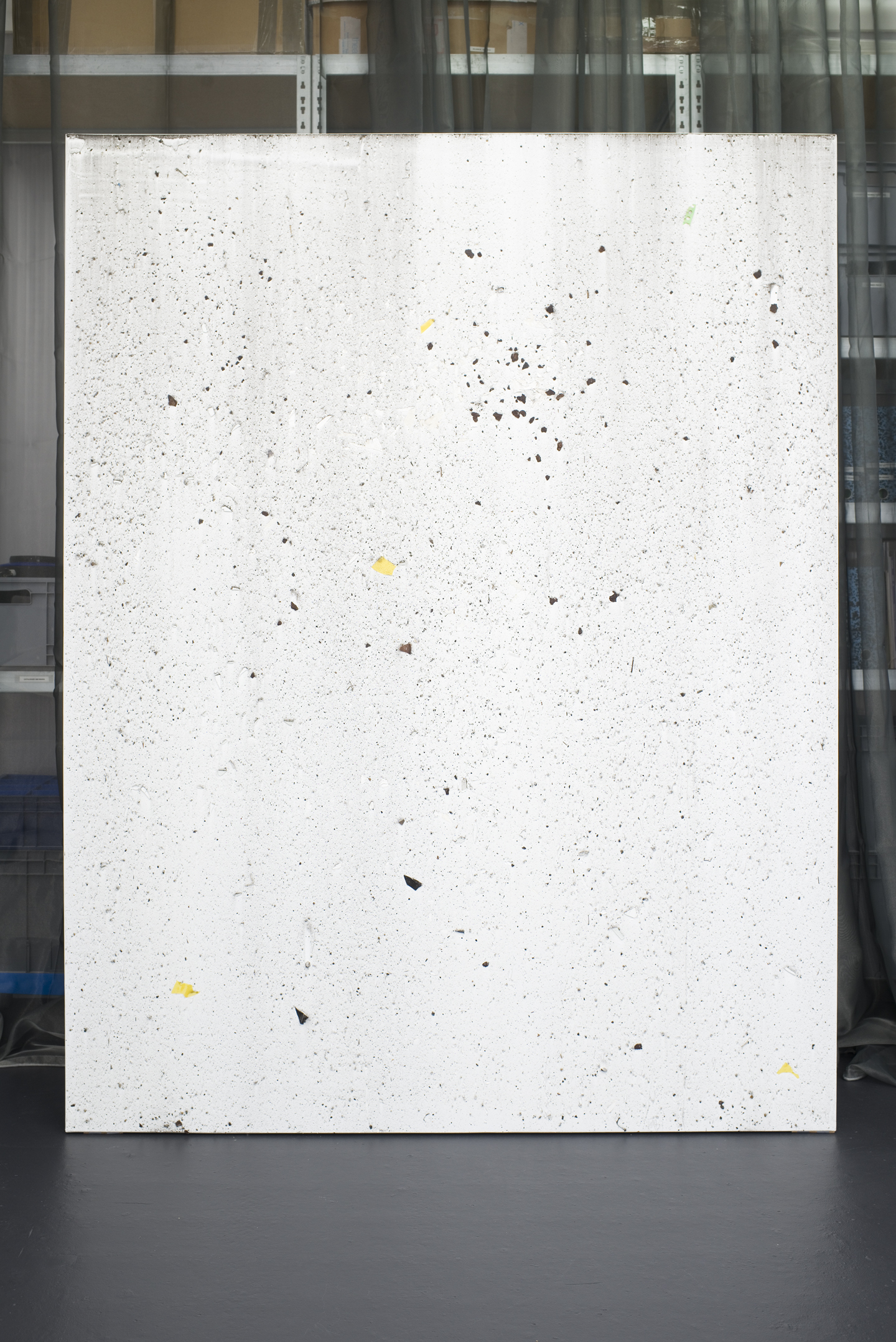
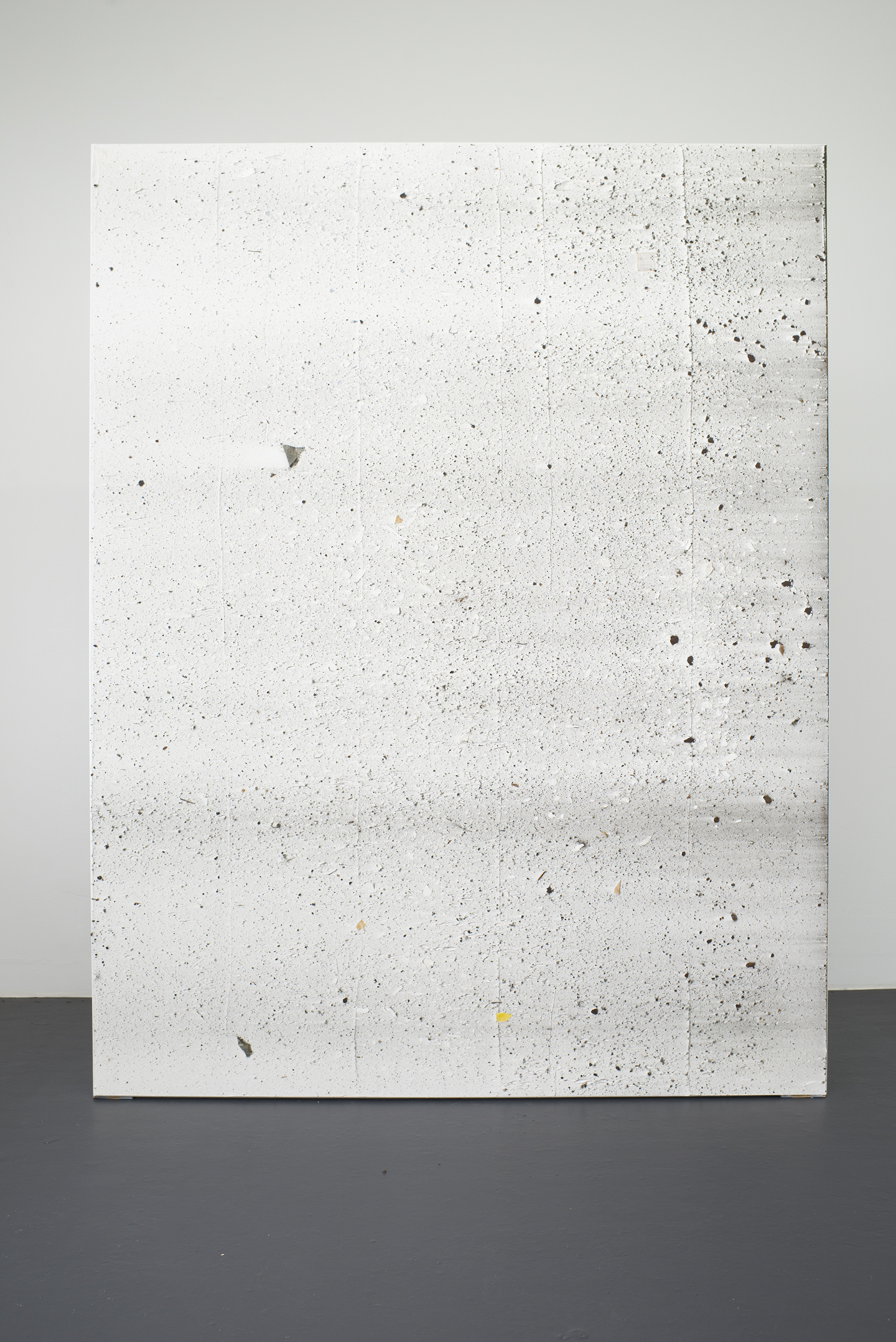
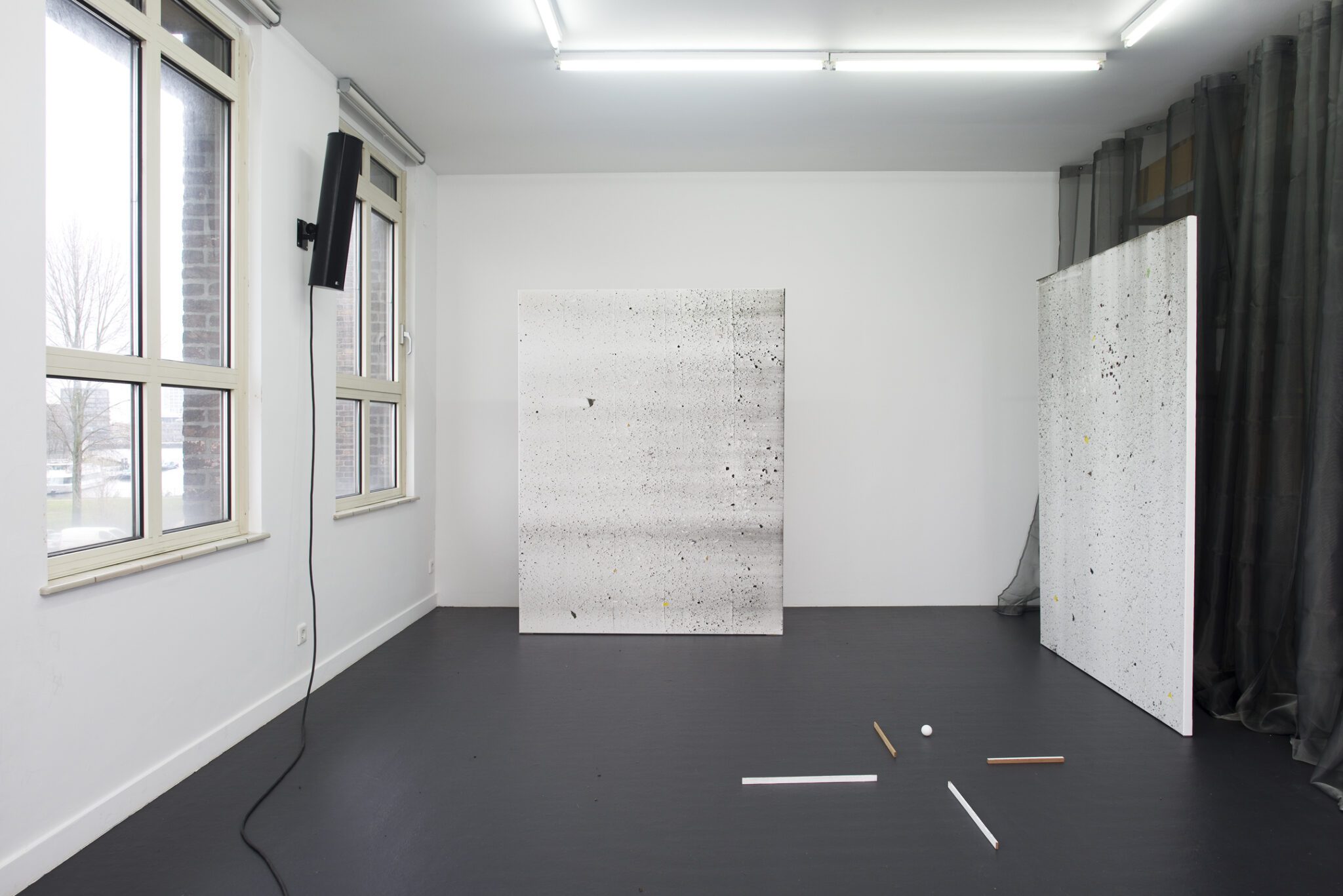
A window to the port is left open, carrying the sounds, pollution and temperatures of the industrial zone into Shimmer. The open window, an artwork by instruction given by Cally Spooner is joined by a soundwork on loop. We imagine the sound fills the gaps left by the works of Fernanda Gomes, whose raw and ephemeral sculpture is placed on Shimmer’s ground. Like Gomes’ approach to material’s intrinsic properties and impermanence, the three paintings by Thomas Fougeirol are the accumulation of dust that he has collected and used to cover the canvases. All three artists’ practices bear the marks of what has come to pass, offering a reflection on life, work and its traces.
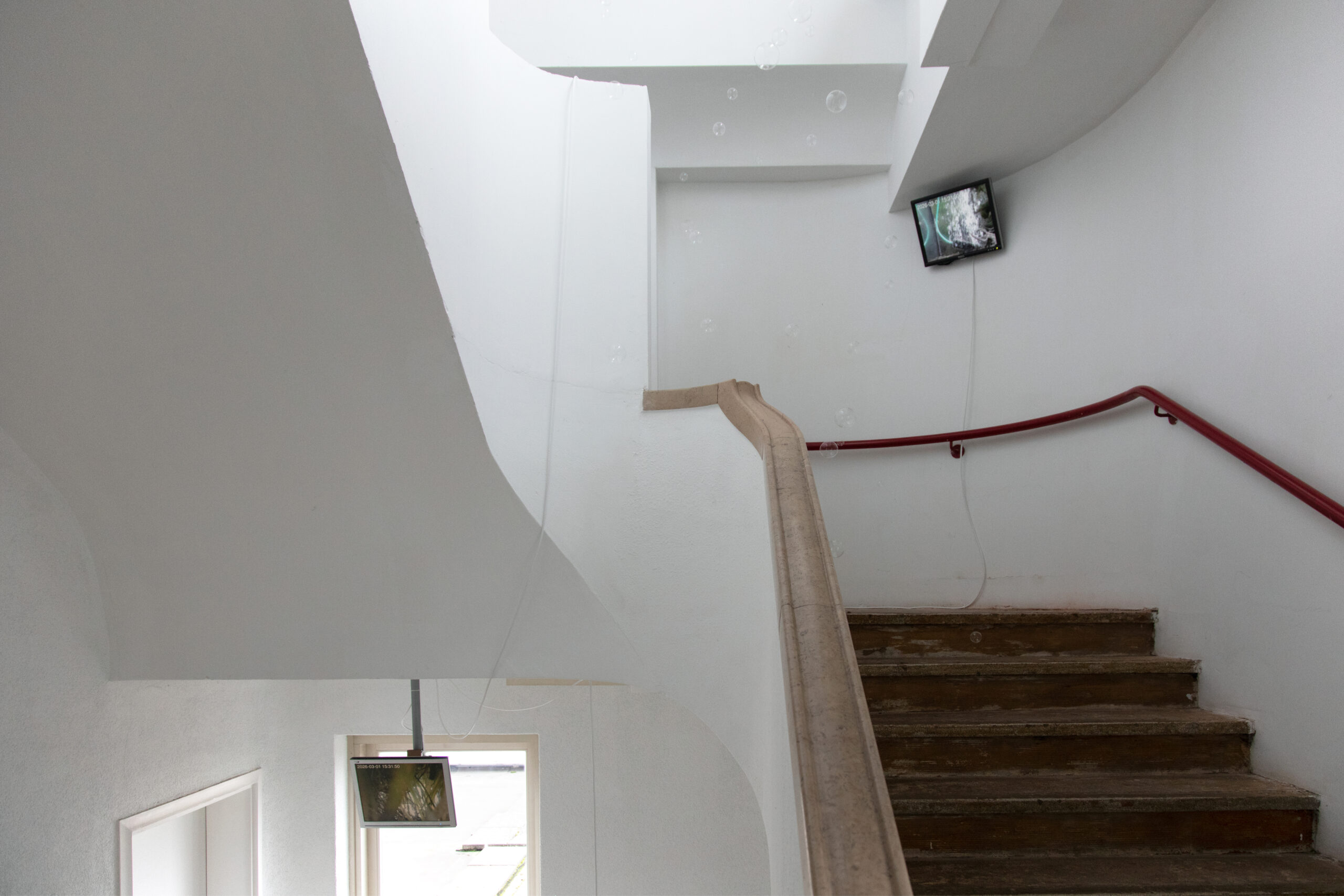
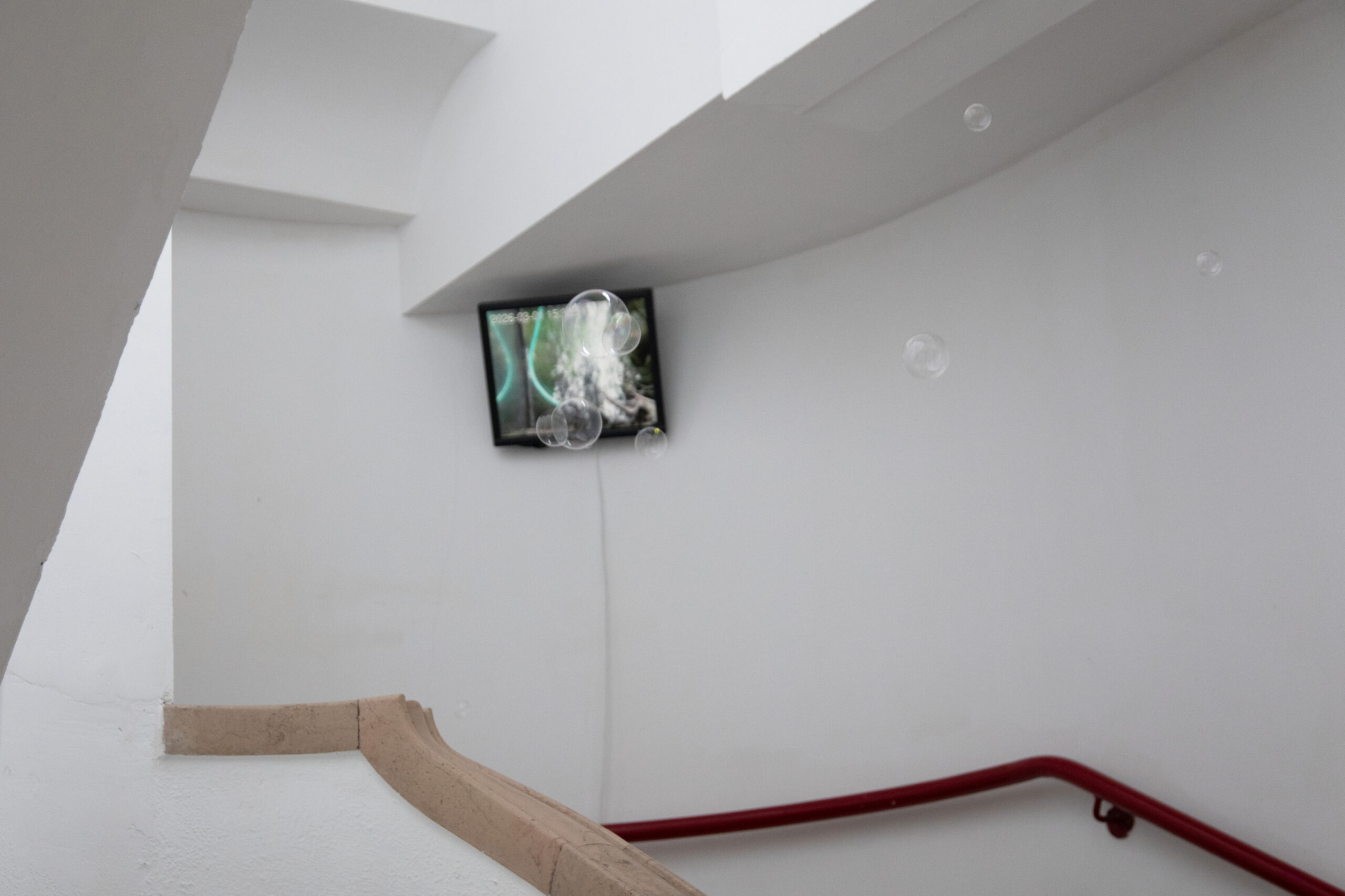
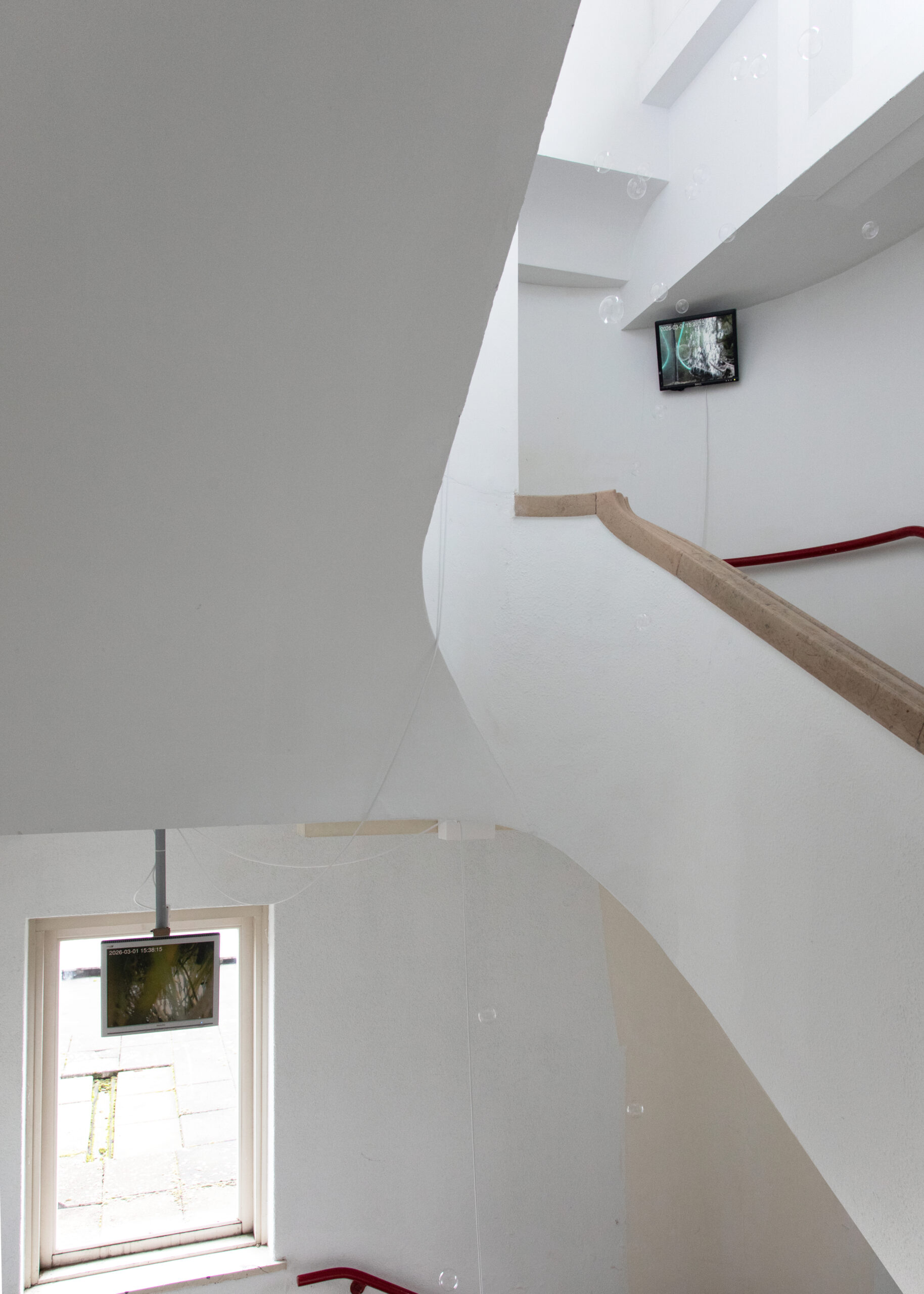
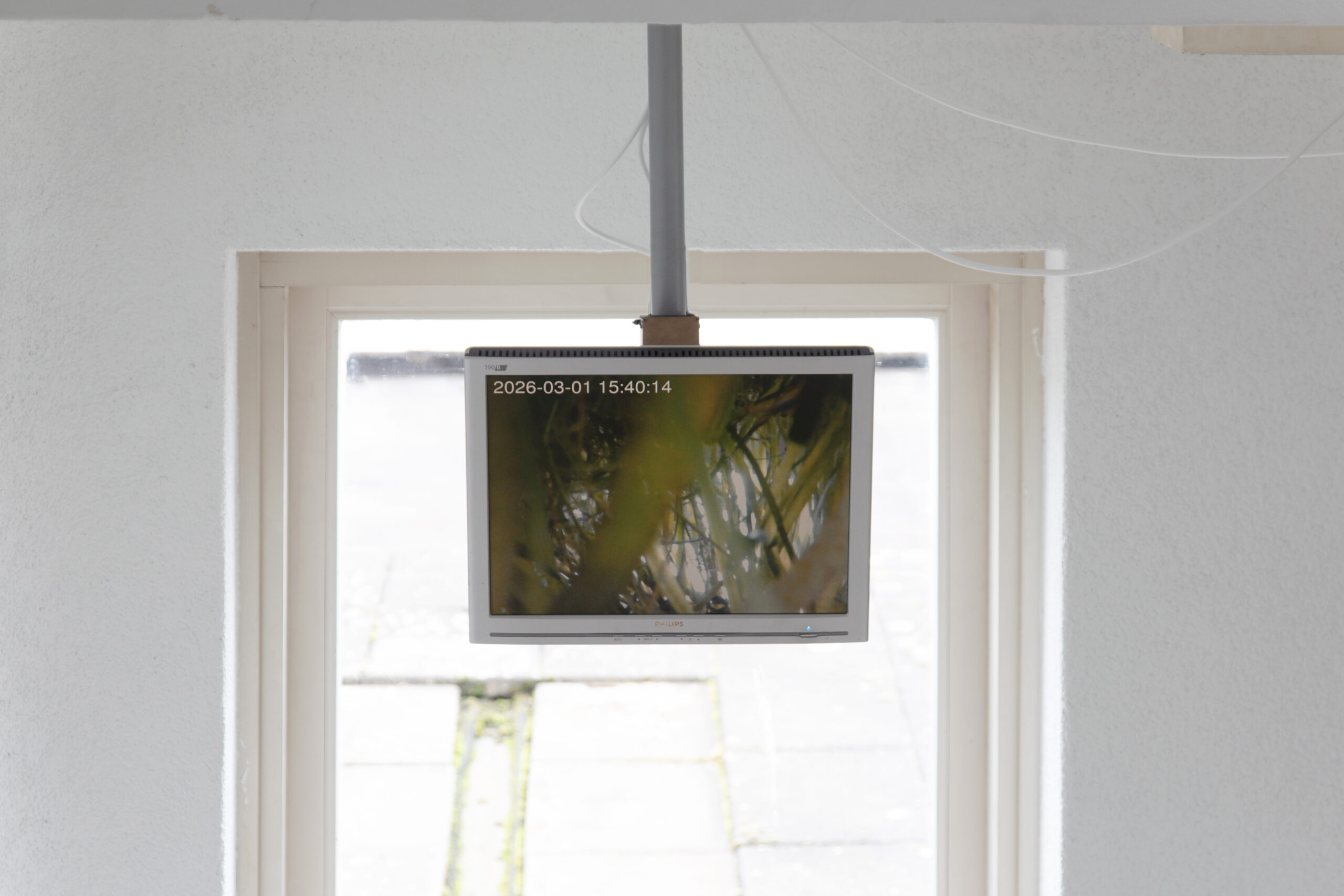
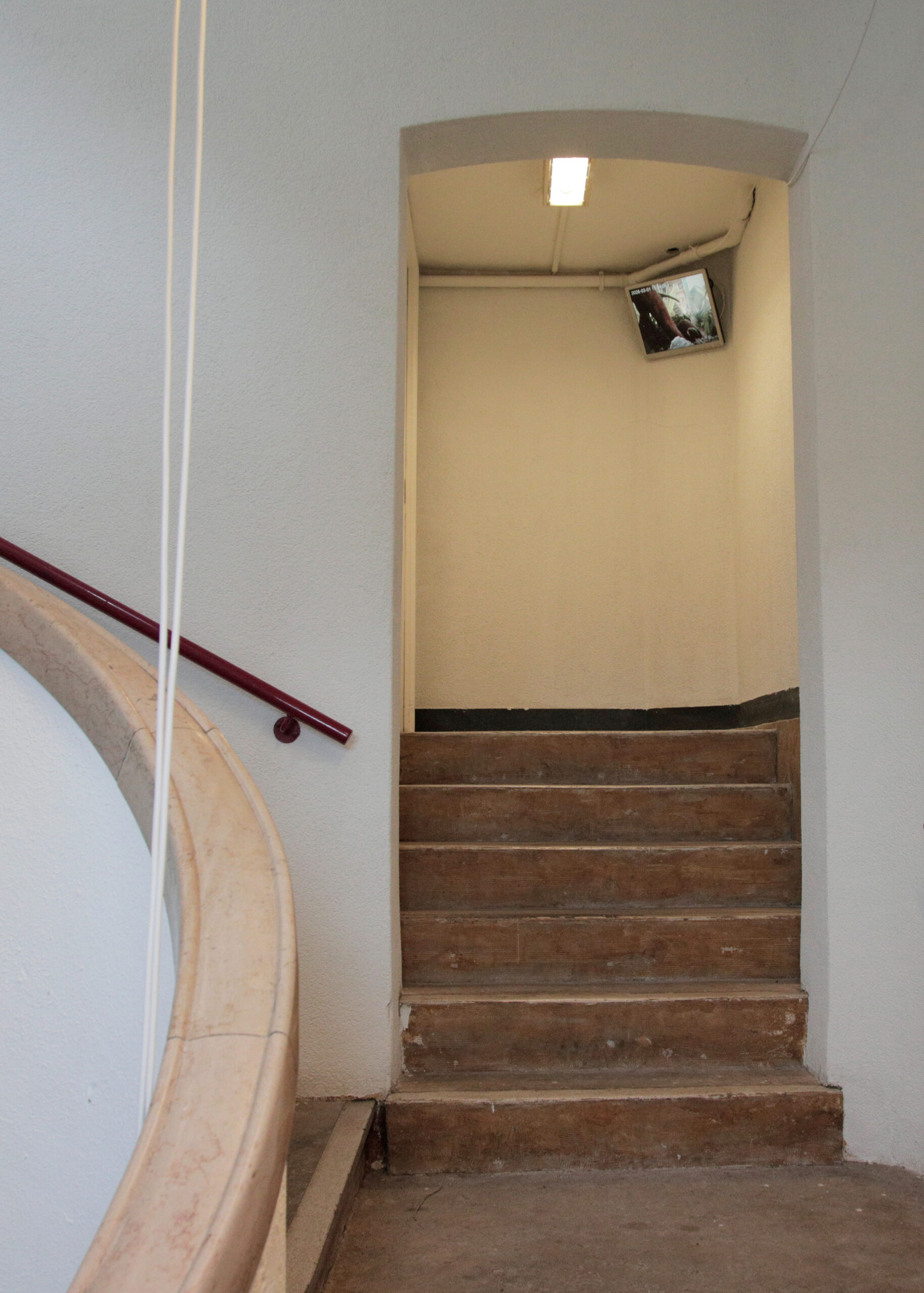
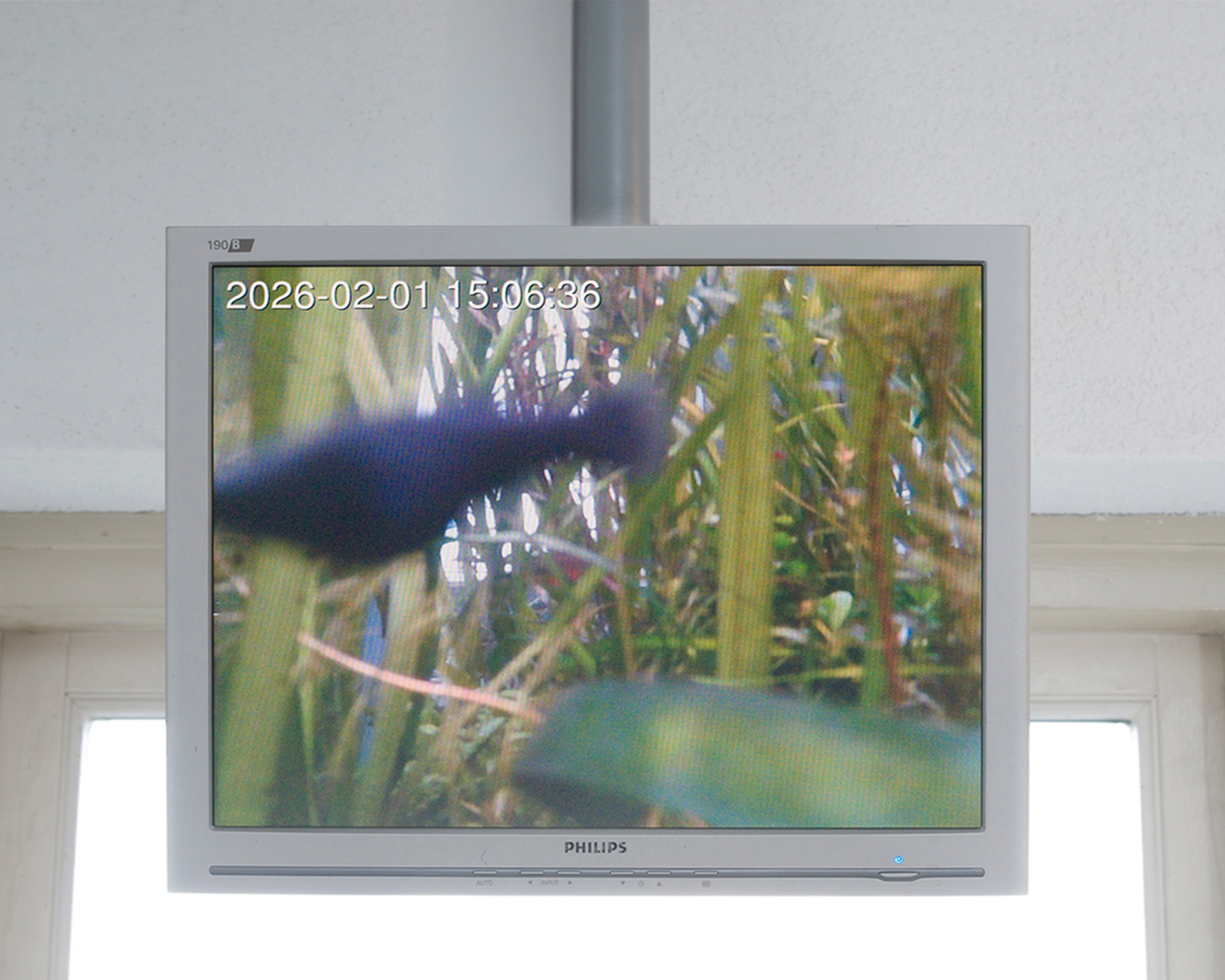
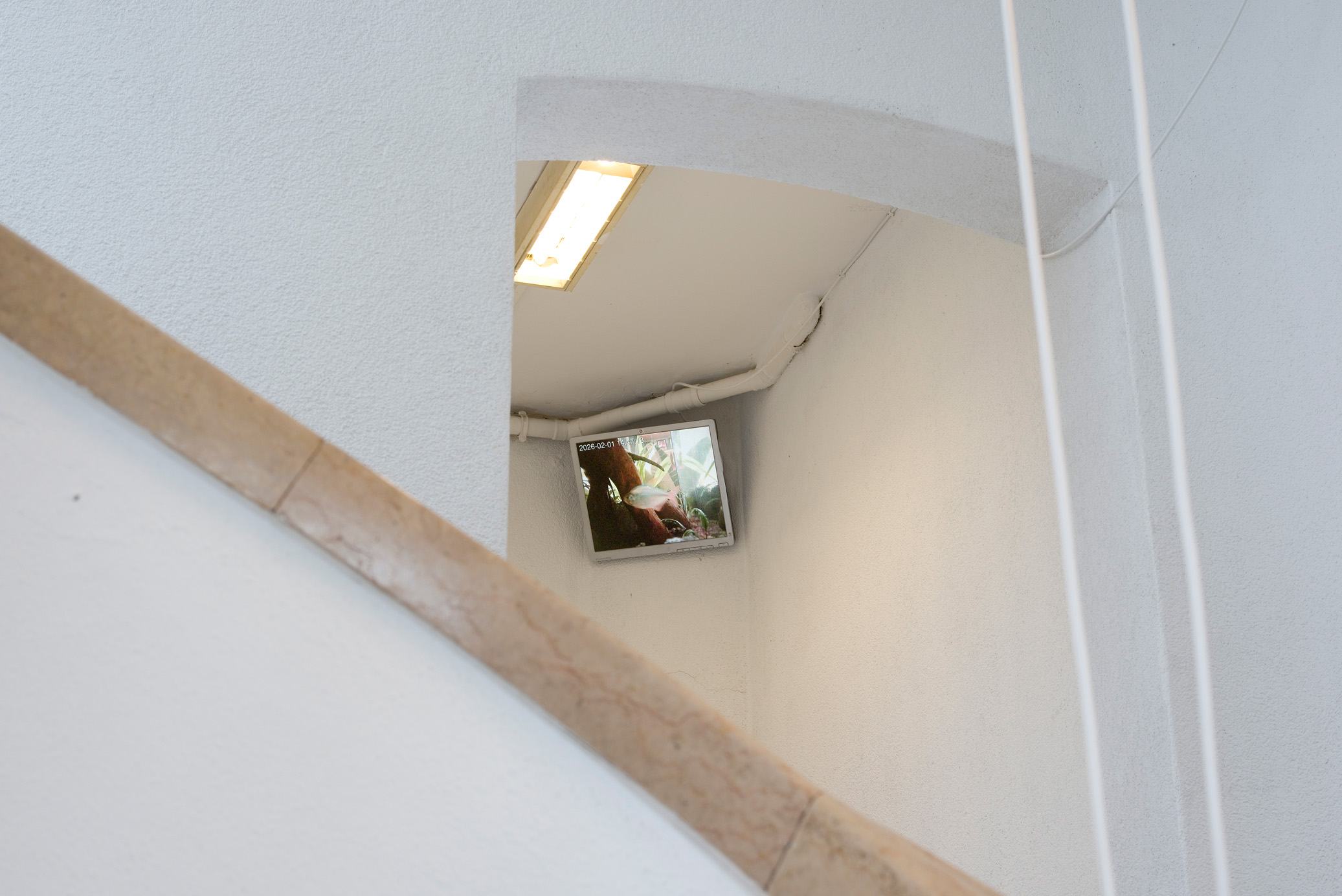
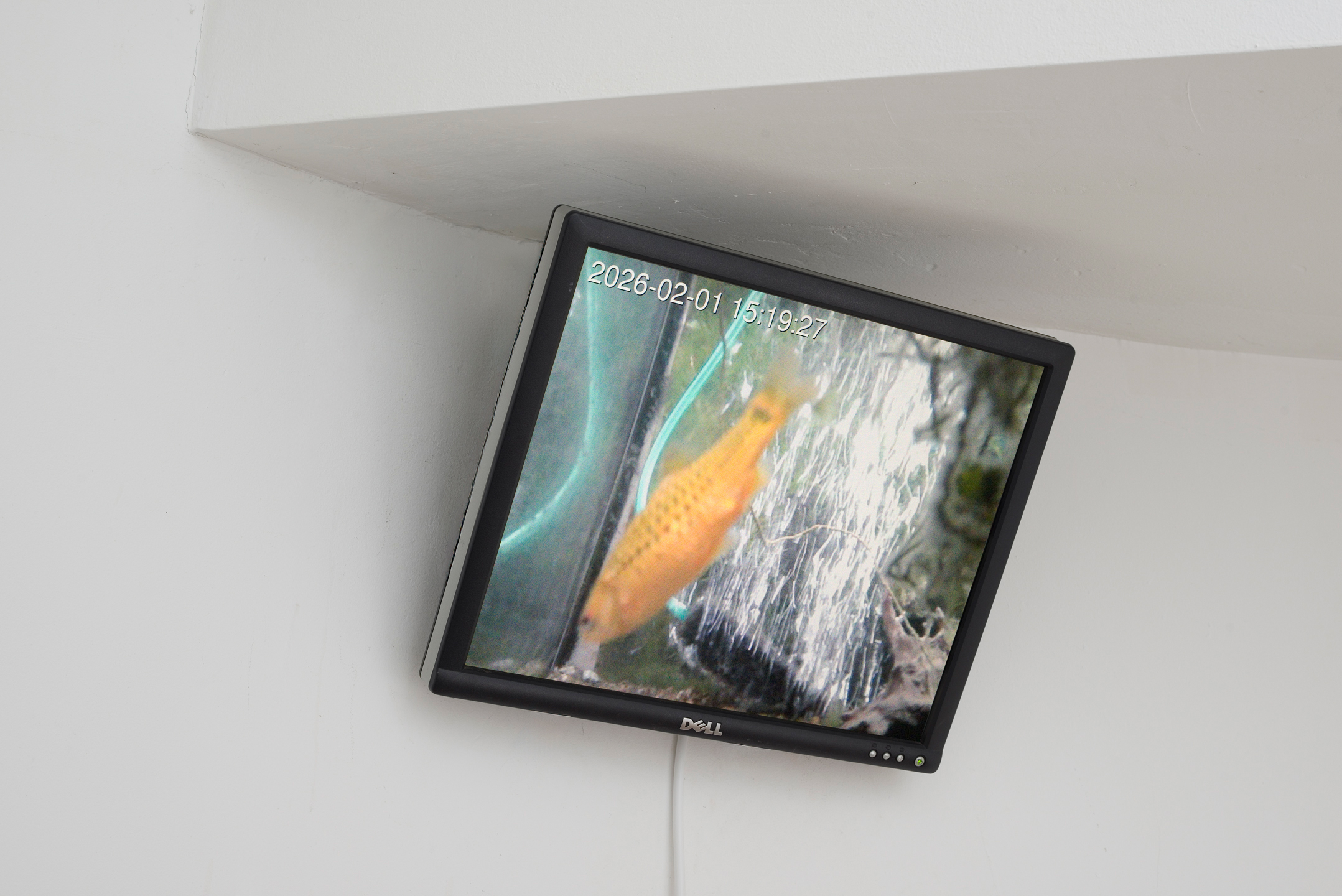
Following these recurring vessels of memory into Shimmer, where the echoes of the past float into the present, we also find Pam Virada’s artwork filling Shimmer’s stairwell in the form of bubbles and streamed video. The audiences activate a bubble machine, whose bubbles slowly fall down the stairwell to greet the visitor behind the last. Consisting of a multi-channel installation of live streams, Virada invites the private into the public as a flow of images. Especially for the opening Virada will present “Mr. Carp” by Mukoda Kuniko (Koi-san, 1985); reproduced from The Name of the Flower: Stories by Kuniko Mukoda, translated by Tomone Matsumoto (Berkeley, Stone Bridge Press, 1994).
Supported by Gemeente Rotterdam, and Amarte.
______
Earlier this year, SHIMMER X AMARTE made a call for existing works that could be adapted for the stairwell. We encouraged artists to propose old ideas or existing works that could be modified for this space. By opening up Shimmer in this way, we continue to serve as a site of reflection for artists. Shimmer is proud to collaborate with X Amarte on this project and to support the work of Pam Virada. X Amarte is a platform dedicated to supporting cultural organizations and institutions that focus on showcasing talented creators through various projects, open calls, and events.
CALLY SPOONER is a British-Italian artist and a writer, whose choreographies, rooted in her training in philosophy, unfold across media—through sound, on film, in text, as objects, and illustrated in drawings. Her series of five essays on “performance”, A Hypothesis of Resistance, was published as a monographic text book by Mousse, Milano in 2024. In each essay Spooner holds and examines temporalities which defy and eclipse the standardizations that drive individual and societal bodies to perform toward an entirely metric-oriented future. Beginning with “Asynchronicity” then extending to “Rehearsal,” “The Present Tense,” “Undetectability,” and “Duration”, A Hypothesis of Resistance was edited in conversation with Will Holder
Solo and group exhibitions by Spooner count institutions including Palais de Tokyo (Paris), New Museum (New York), Graham Foundation (Chicago), Whitechapel Gallery (London), Castello di Rivoli (Turin), and Stedelijk Museum (Amsterdam).
The installations and sculptures of FERNANDA GOMES are the condensed result of an intense investigation and confrontation with materiality, form, space and light, which can be derived from traditions of Brazilian Constructivism and Neo Concretismo of the 1950s and 1960s. Her artistic process leads to the appropriation of rudimentary, recycled materials found in nature or in an urban environment, such as small stuck papers, cotton threads, glass, pieces of wood or burned matches, which she then subtly incorporates into installational works of art, creating unusual, suggestive connections. By introducing small changes in the space and carefully placing the processed materials within the room, she explores and reflects upon the intrinsic poetic value of objects, in their characteristic raw and minimal aesthetic. She often includes the use of white paint, as a means of raising the expressive potential of each object and creating a free environment for new ideas and values. In her works, materials have a self-referring dimension, casting doubts at the most basic level while questioning their bare presence.
THOMAS FOUGEIROL applies layers of gesso and oil paint on canvases, which takes months to dry, and on and into them he throws debris, trash, and assorted objects collected from the streets of New York, where the artist keeps a studio. Dried-up sedimentation of paint-cakes lodged in the bottom of the buckets are employed as both mark-making devices and self-referential paint-objects. These deposits are re-deposited on and into the fresh layers of still-drying canvases. Dead paint, meets fresh paint. Sometimes these paintings register gravitational pull, and sometimes they trick the eye into pulling them back. They operate across multiple coordinates, pivoting between flatness and depth, between what they look like and what they might be.
Exploring intersections between the cinematic and temporal, PAM VIRADA navigates the ghostly forces and intimate stories in domestic spaces through mixed-media installations and expanded cinema. She reconfigures existing narratives, investigating the themes of impermanence and intimate turmoil. She uses the Sino-Thai diaspora as a starting point to conduct micro-narrative research, investigating individual and collective memories within family constellations, whilst studying the junctures of hauntology and philosophy. Virada investigates oxymoronic concepts, blending the fictional and the existing, and probing the dynamics of placement and displacement through mnemonic devices, mundane objects and their gestures. She dives into the intangible presences of the ghostly and ancestral, proving their uncanny yet comforting influence on our current and future imaginations.